 01
Naqsh-e Jahan Square
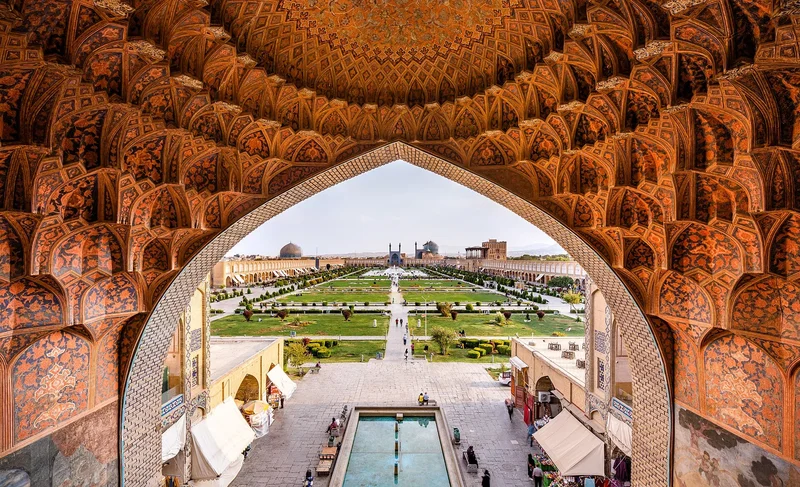
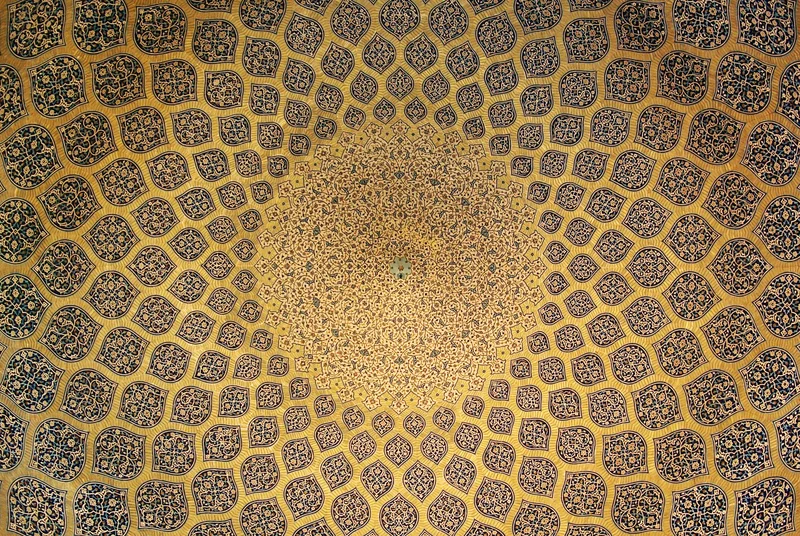
Ali Qapu, two mosques and the Qeysarieh bazaar entrance frame Naqsh-e Jahan, the square that brought Safavid Isfahan’s court, commerce and worship together.

Central Iranian Plateau
Grand squares, bridges and Armenian New Julfa
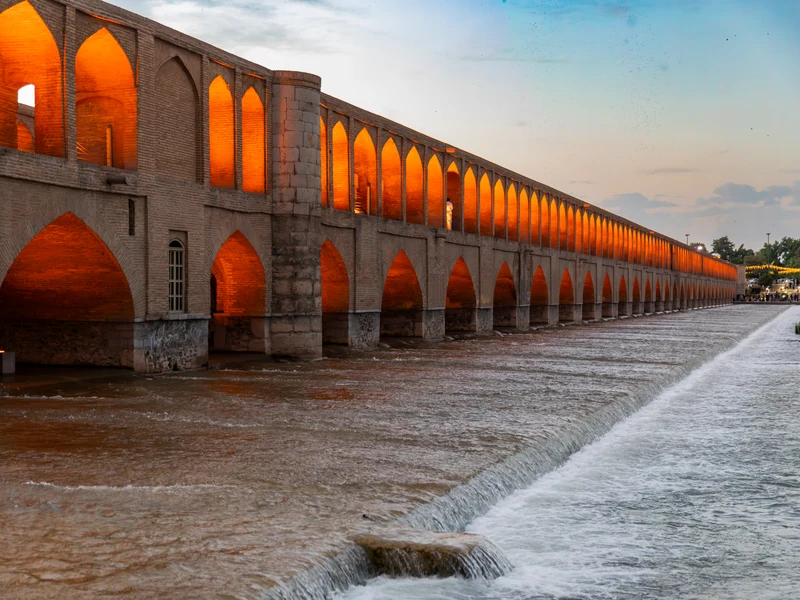
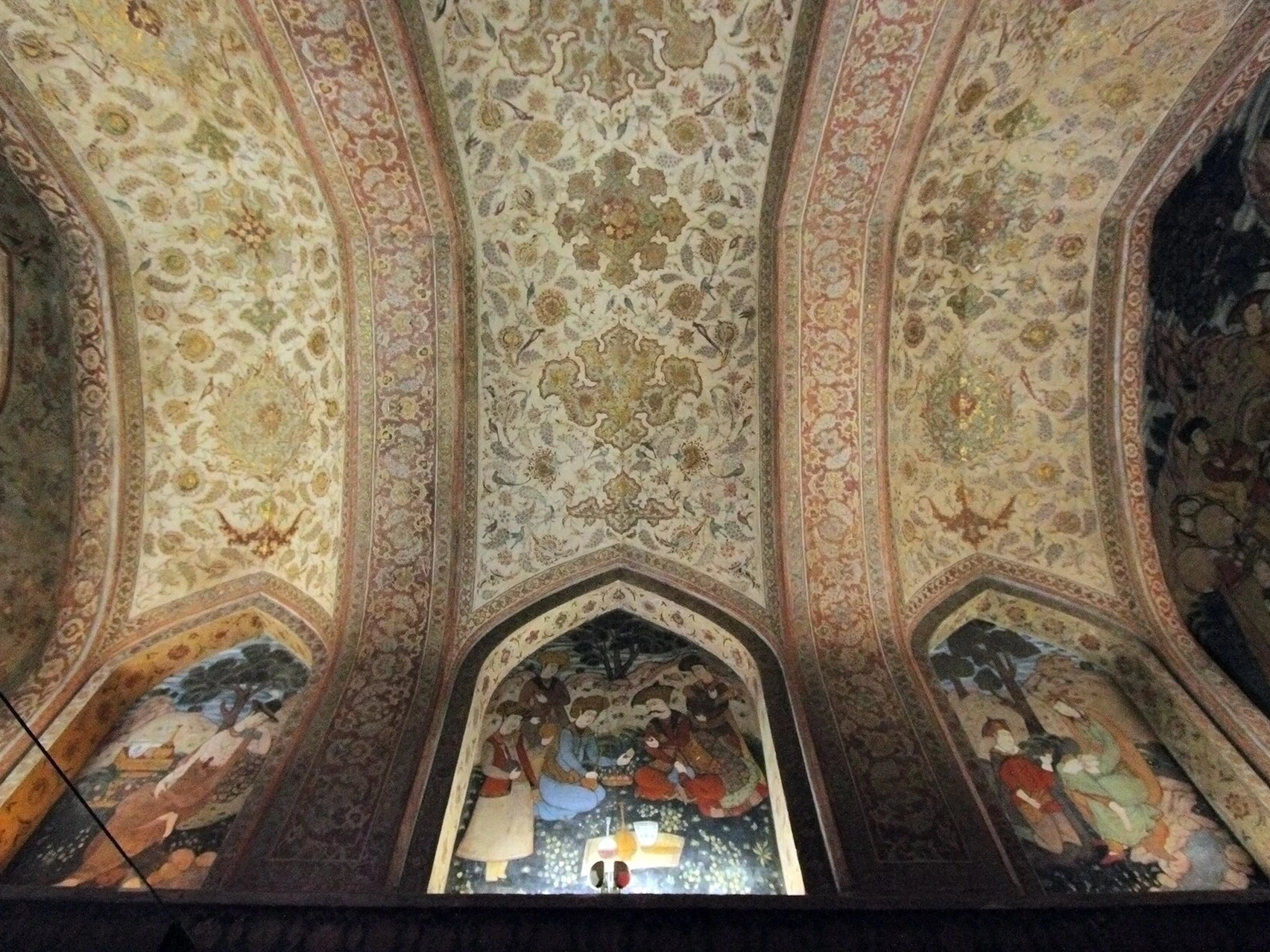
Isfahan’s Naqsh-e Jahan Square is bordered by Safavid mosques, Ali Qapu Palace and the bazaar entrance. Chehel Sotoun preserves court paintings, while Si-o-se-pol spans the Zayandeh Rud with thirty-three arches.
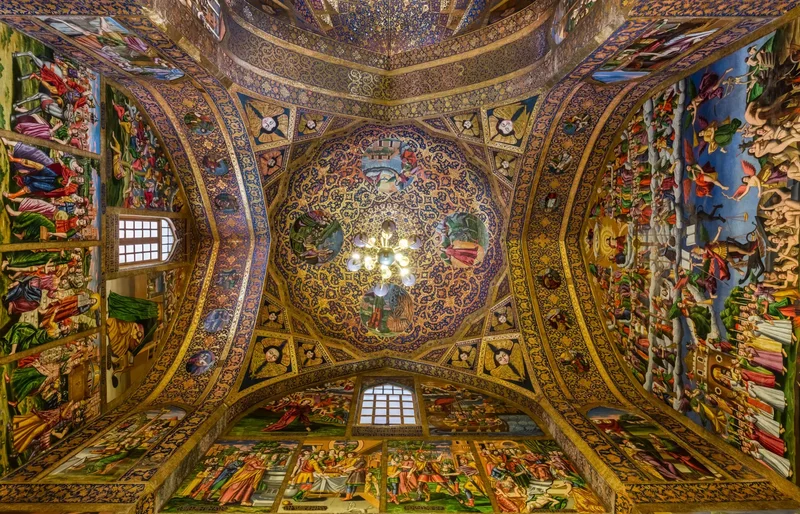
In New Julfa, Vank Cathedral is an Armenian religious and cultural centre. Its complex includes a church, belfry, museum, library and printing house; the church has biblical murals and gilding.
05
01Ali Qapu, two mosques and the Qeysarieh bazaar entrance frame Naqsh-e Jahan, the square that brought Safavid Isfahan’s court, commerce and worship together.
 02
Si-o-se-pol’s thirty-three arches cross Isfahan’s Zayandeh Rud, linking the Chaharbagh avenues on its banks in a Safavid structure also named for Allahverdi Khan.
 03
Chehel Sotoun’s reception hall preserves royal and battle scenes within a Safavid garden, one of the nine components of UNESCO’s Persian Garden property.
 04
Biblical wall paintings, gilding and ceramic decoration distinguish Vank in New Julfa, an Armenian religious complex that also houses a museum and library.
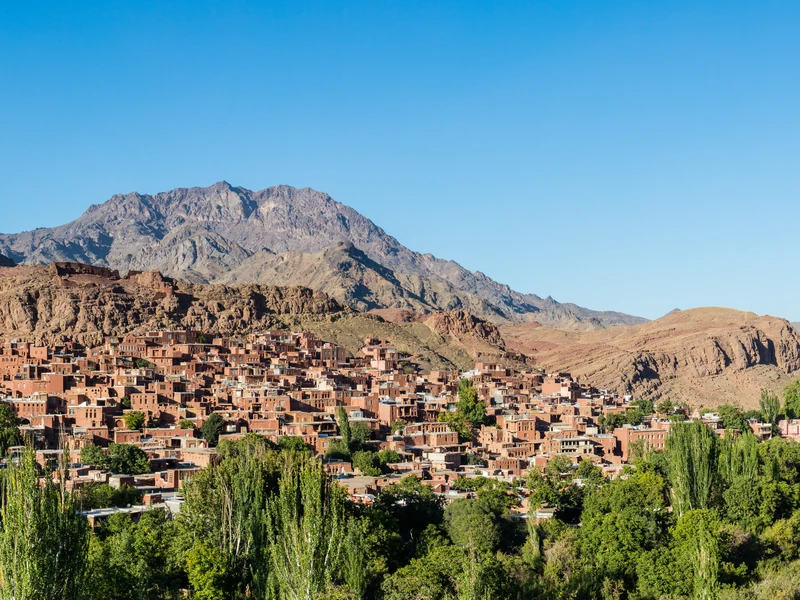 05
Abyaneh’s hillside houses have red-earth coverings; the village also preserves a Friday mosque with a carved wooden pulpit among its historic religious buildings.
Architecture, tilework and miniature painting are central to Isfahan’s artistic traditions. Metalworking and other handicrafts remain part of everyday life in the city’s bazaars and workshops.
Si-o-se-pol, Vank Cathedral and Abyaneh are notable historic places in the province. These three are not individually inscribed on the UNESCO World Heritage List.