 01
Persepolis
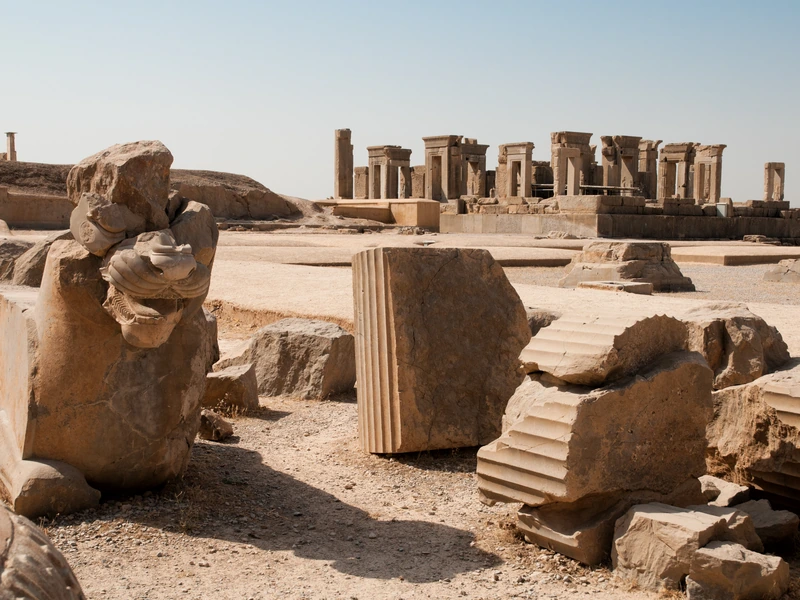
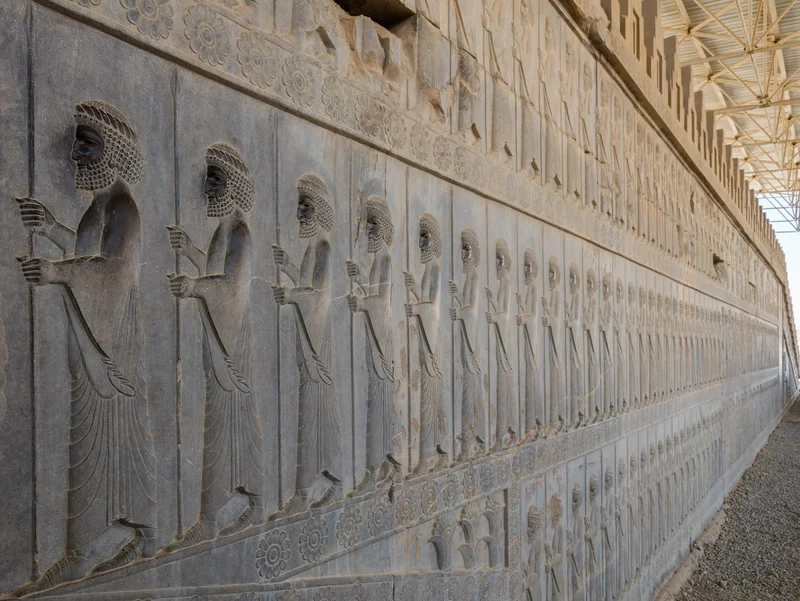
Sculpted processions, monumental stairways and Apadana columns preserve the ceremonial language of Achaemenid kings on Persepolis’s vast, partly constructed terrace in Fars.

Southern Iran · Plains and Zagros uplands
From Persepolis to the gardens of Shiraz
Fars includes varied plains and uplands, with Shiraz as its capital. The city has the memorials of Hafez and Saadi, Eram Garden and the Vakil ensemble. Pasargadae, Persepolis and Sasanian archaeological sites represent other periods of the province’s history.
Local crafts include tribal textiles, Khatam inlay and Abadeh woodcarving. Kalam polo and Shirazi faloodeh are regional foods, while Qashqai music forms part of the province’s cultural traditions.
06
01Sculpted processions, monumental stairways and Apadana columns preserve the ceremonial language of Achaemenid kings on Persepolis’s vast, partly constructed terrace in Fars.
 02
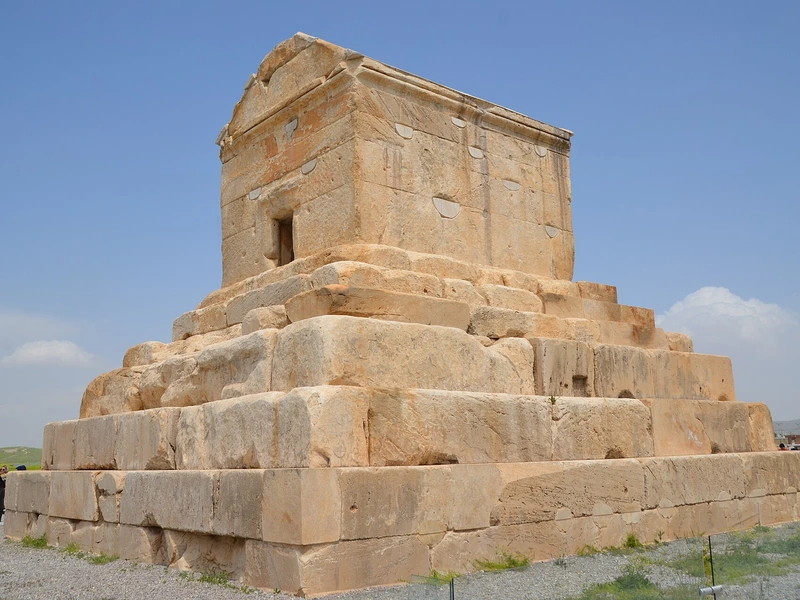
Cyrus’s tomb, palace remains and a royal garden survive at Pasargadae, the first Achaemenid capital and a UNESCO World Heritage site.
 03
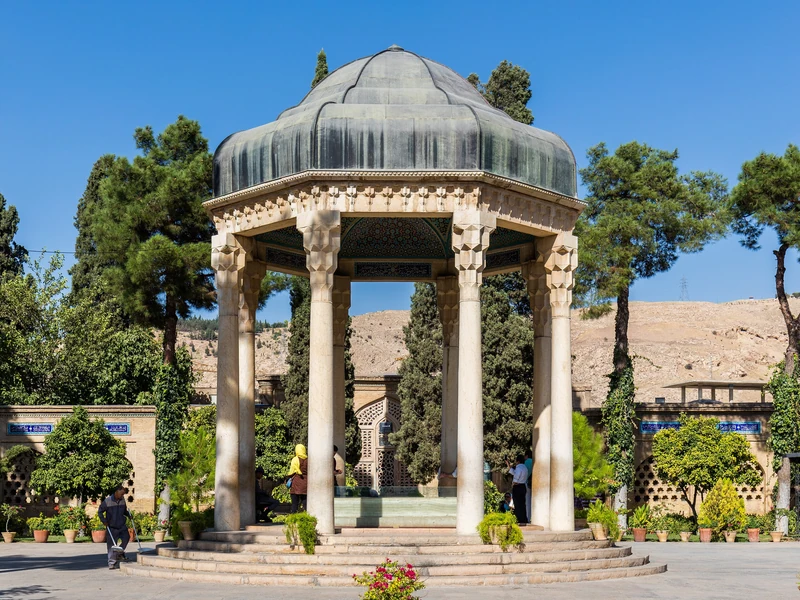
Two garden courtyards surround Hafez’s memorial in Shiraz, where André Godard’s modern design incorporates stone columns surviving from the Zand period.
 04
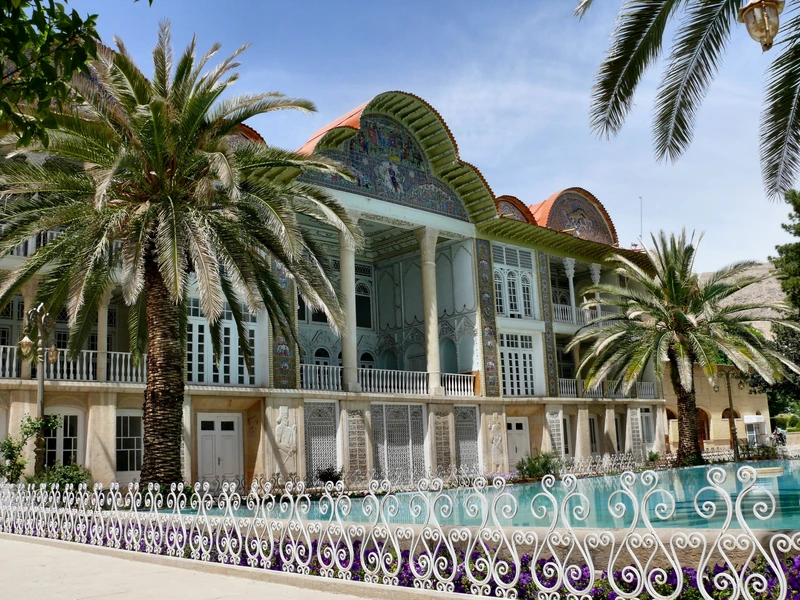
Eram combines a Qajar pavilion, water channels and botanical collections in Shiraz; it is one component of UNESCO’s Persian Garden property.
 05
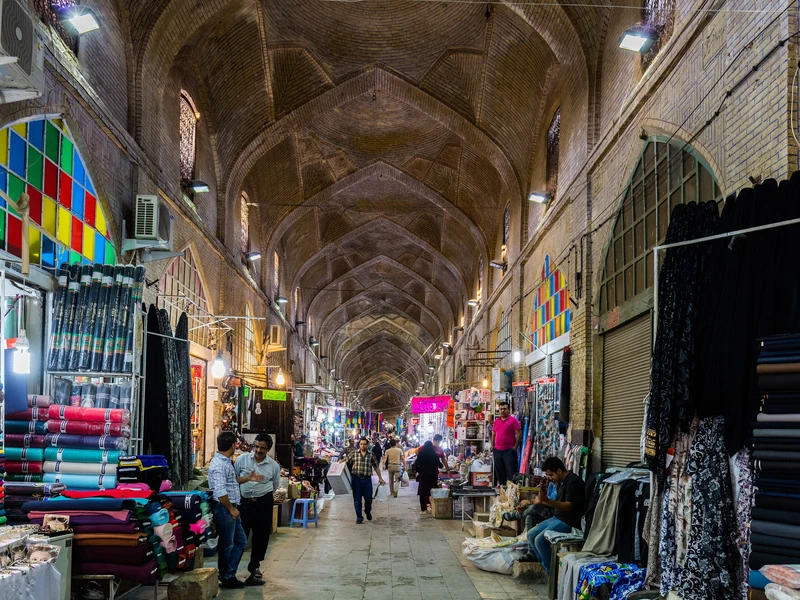
Vaulted passages and intersecting market lanes define Vakil Bazaar, a Zand-period commercial building within the wider Vakil complex in central Shiraz.
 06
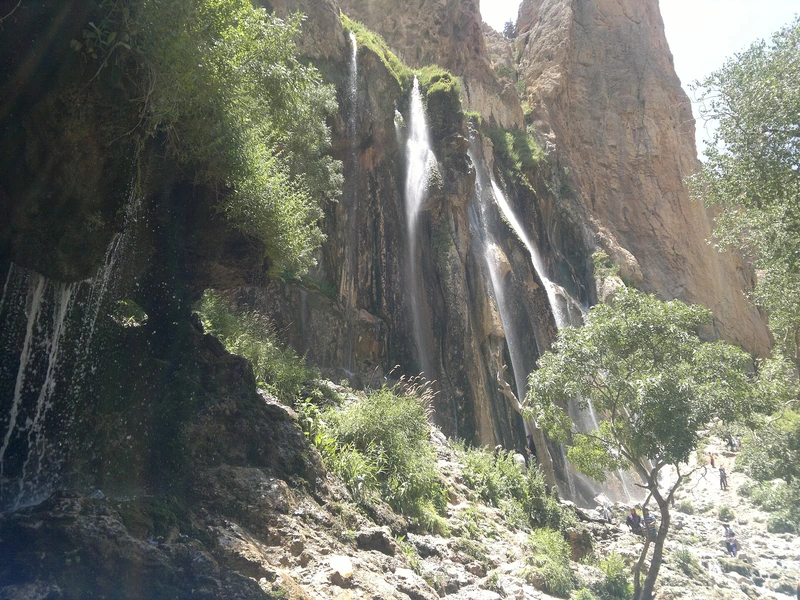
Fed by Zagros springs, Margoun spreads across a broad rock face in Fars, near a stepped village with apple and walnut orchards.
Hafez and Saadi’s poetry remains central to Shiraz’s cultural identity. Qashqai ashik music and tribal weaving traditions reveal other voices within Fars, beyond the capital’s gardens and literary monuments.
Hafez and Saadi’s tombs, the Vakil complex and Naqsh-e Rostam are further major heritage stops; they are not individually inscribed World Heritage properties.