Soltaniyeh Dome
Built in the early fourteenth century, the Dome of Soltaniyeh is a masterpiece of Ilkhanid architecture. Its vast double-shell brick dome and turquoise decoration influenced later dome construction across the region.

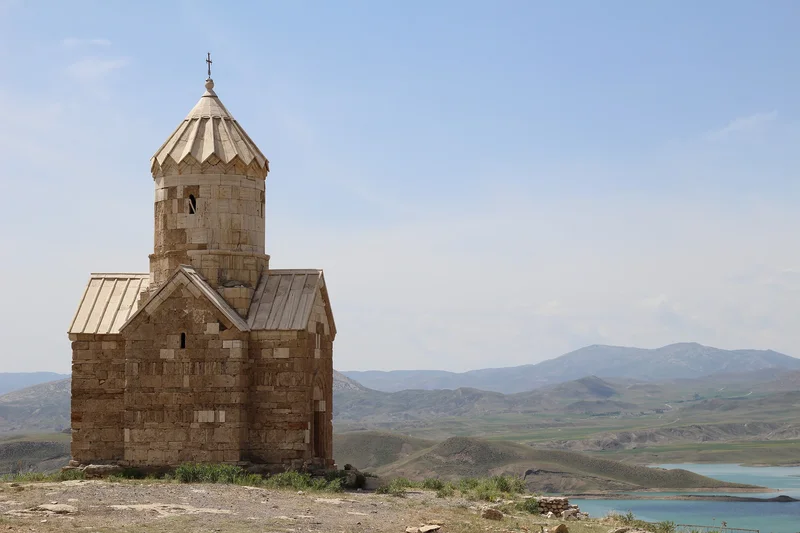
Northwest Iran, mountains and Qezel Ozan plains
Soltaniyeh’s dome and the artisans’ bazaars
Zanjan’s turquoise-domed Soltaniyeh preserves a major achievement of Ilkhanid architecture. Oljaytu’s mausoleum, with its double-shell dome, is a World Heritage property. In Zanjan city, the bazaar, Rakhtshooy Khaneh and Salt Men Museum reveal other aspects of the region’s past.
Beyond the city, Katale Khor Cave and the Qezel Ozan and Mahneshan landscapes offer countryside routes. Metalwork, silver filigree and Charooq footwear make a bazaar visit a useful complement to Soltaniyeh and the museums.
05
Built in the early fourteenth century, the Dome of Soltaniyeh is a masterpiece of Ilkhanid architecture. Its vast double-shell brick dome and turquoise decoration influenced later dome construction across the region.
Zanjan’s Rakhtshooy Khaneh was built in 1928 as a covered, secure place where women could wash clothes and household vessels. Its columned hall, basins and carefully directed water offer a tangible glimpse of women’s social history; the unusual building now serves as an anthropology museum.
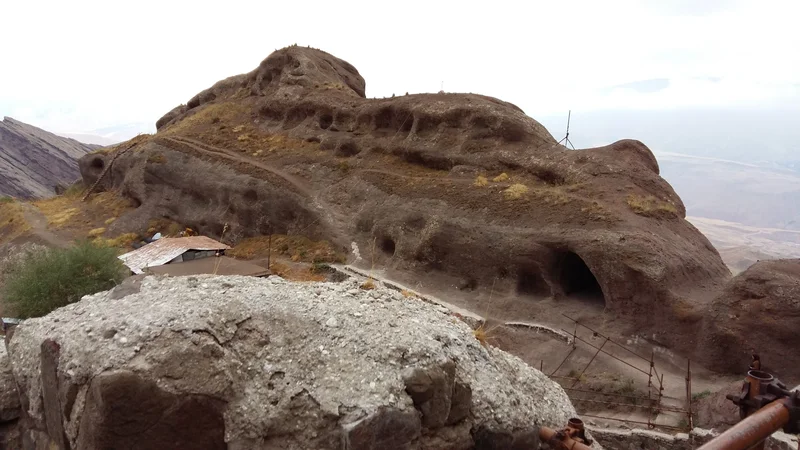
In Khodabandeh County, the limestone chambers of Kataleh-Khor unfold through vast halls, corridors, stalactites and stalagmites, with parts of the cave formed on several levels. The public route reveals only a portion of this subterranean world, where limestone columns and clear water create a mysterious stillness.
Zanjan’s Zolfaghari Mansion houses bodies and objects discovered in the Chehrabad salt mine. The saline environment preserved parts of ancient miners’ bodies, clothing and tools with exceptional clarity, allowing the museum to tell a precise and moving story of their work and lives.
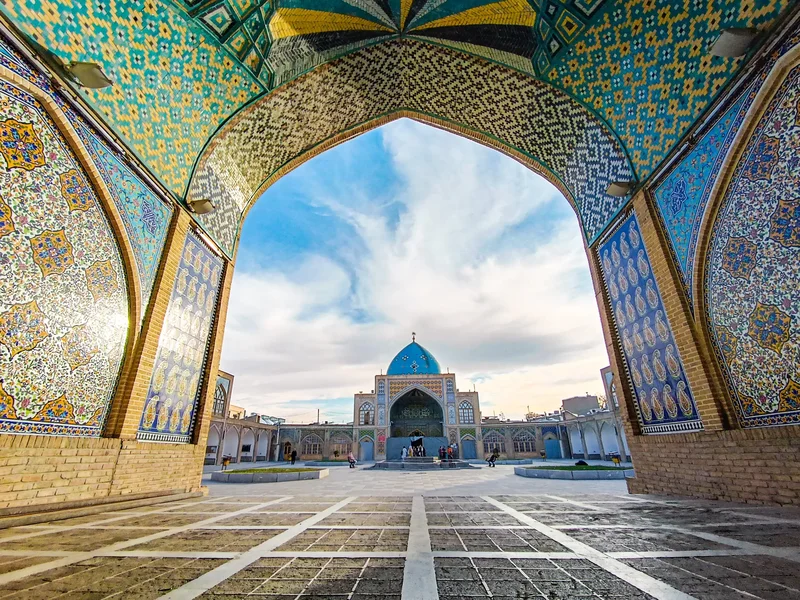
The Zanjan Bazaar is among Iran’s longest covered markets, with origins in the Qajar period. Its specialised lanes, caravanserais, courtyards, brick vaults and coloured tiles remain animated by trade and craftsmanship, making it an inviting place to discover the province’s local arts and flavours.
Zanjan’s crafts are closely linked to its bazaars and workshops. Alongside this working culture, the local Shabchareh custom marks Yalda night with gifts taken to the homes of newlyweds.
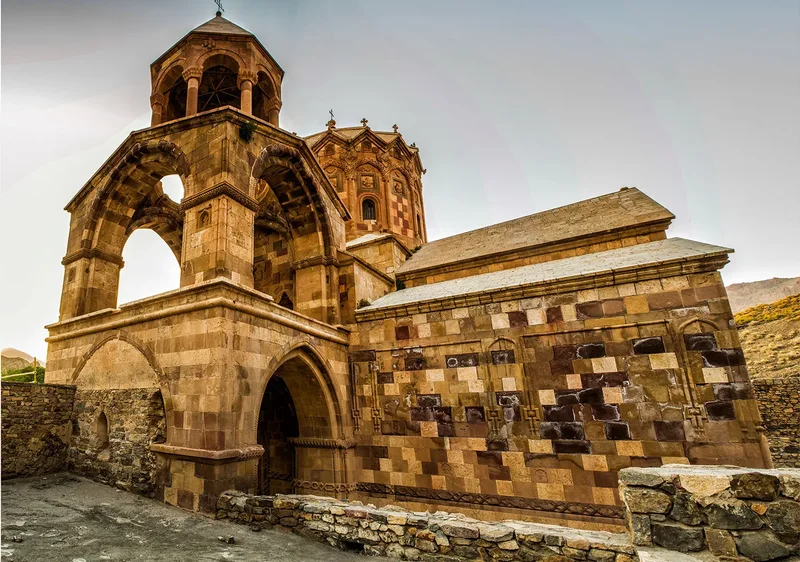
Rakhtshooy Khaneh, Zolfaghari Mansion and Dashkasan Temple are other historic sites, separate from Soltaniyeh’s World Heritage property.