 01
Tabriz Bazaar
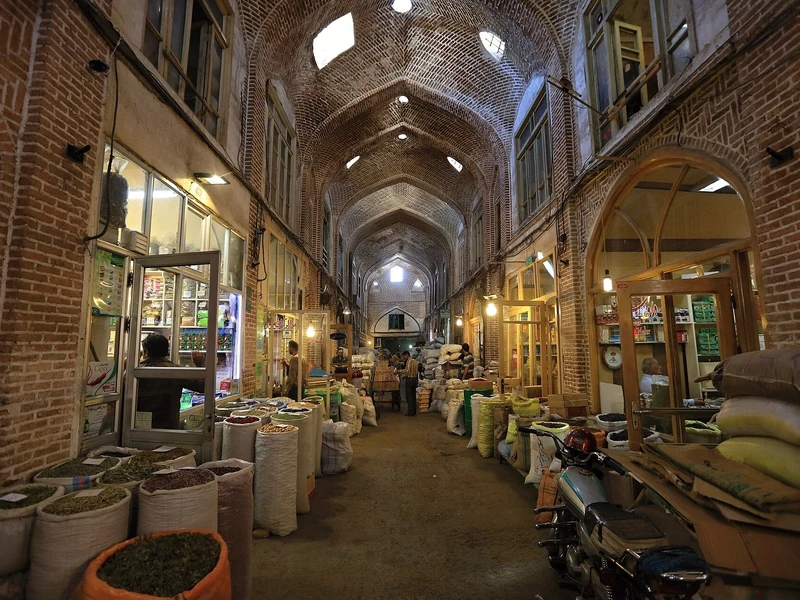
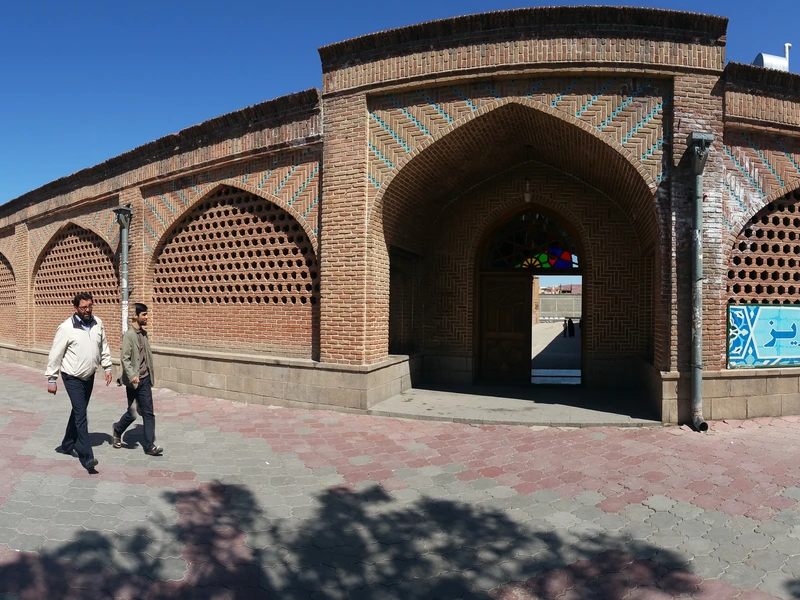
Covered brick passages in Tabriz link commerce with religious and educational spaces, preserving an active bazaar shaped by centuries of east–west exchange.
Northwest Iran, Sahand and the Aras valley
From Tabriz’s bazaar to the monasteries of the Aras
Tabriz is the capital of East Azerbaijan Province. Its covered brick bazaar is a UNESCO World Heritage property; the fifteenth-century Blue Mosque preserves dark-blue and turquoise tiles.
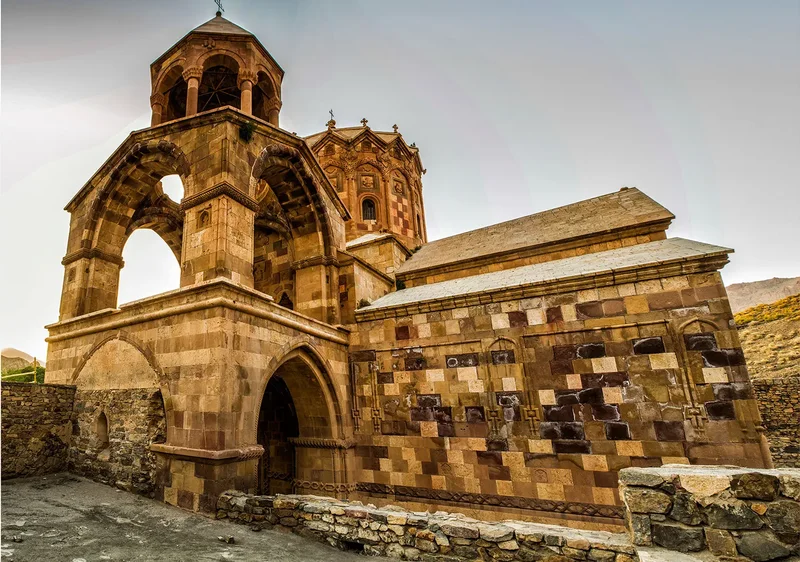
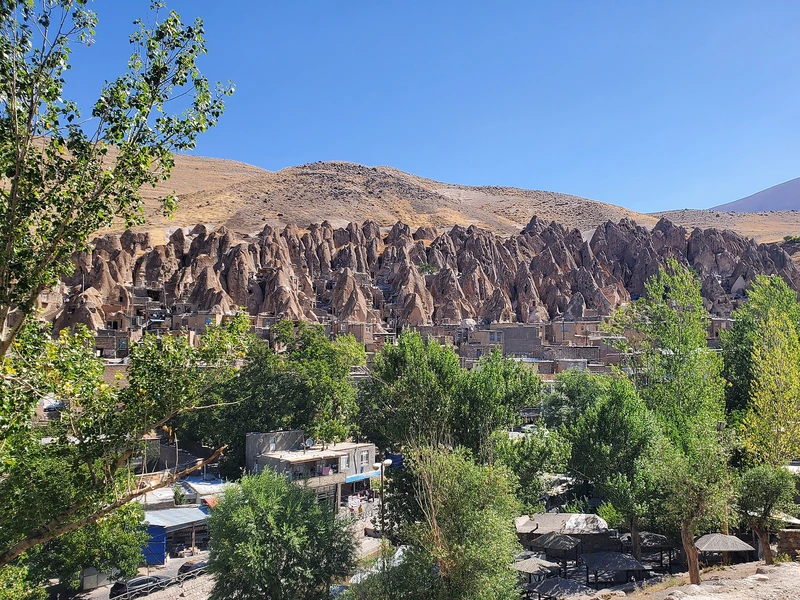
Kandovan’s inhabited homes are carved into conical volcanic rock. St. Stepanos near Jolfa belongs to Iran’s Armenian Monastic Ensembles. Cultural traditions include carpet weaving and Ashiq poetry and music.
05
01Covered brick passages in Tabriz link commerce with religious and educational spaces, preserving an active bazaar shaped by centuries of east–west exchange.
 02
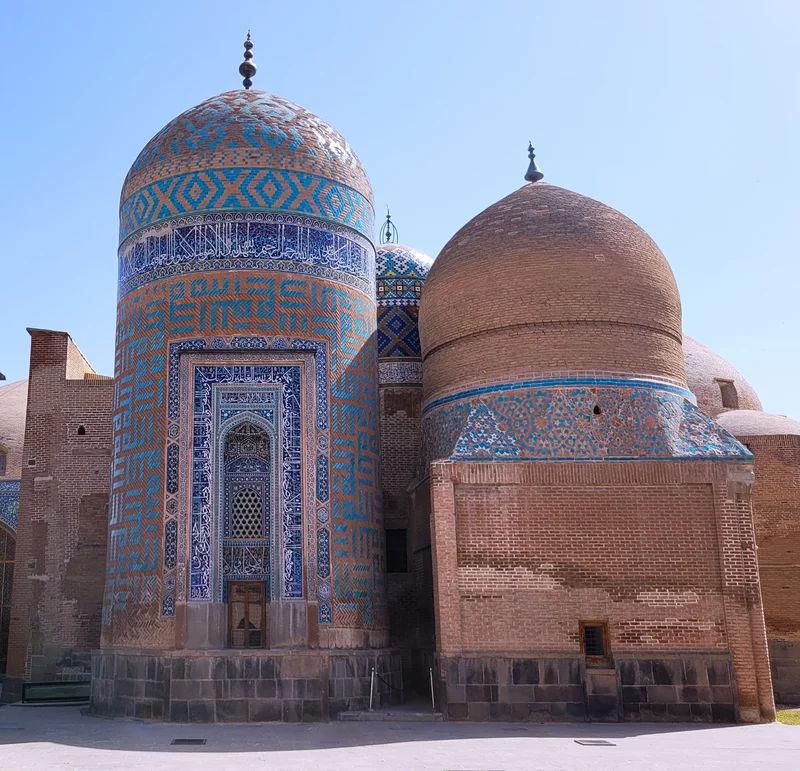
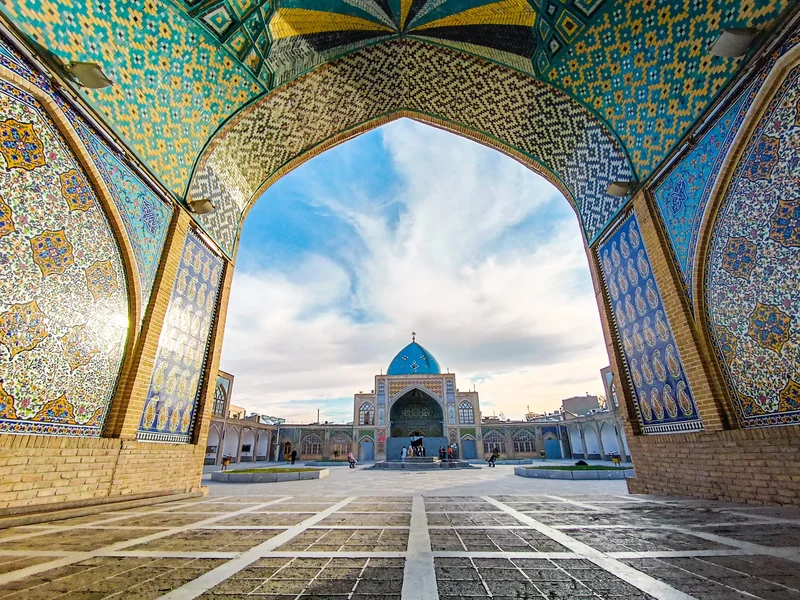
Blue and turquoise mosaics survive in Tabriz’s fifteenth-century mosque, a brick monument of the Qara Qoyunlu period later damaged by earthquake.
 03
In Kandovan, cone-shaped volcanic rocks contain inhabited homes, while honey production, handicrafts and small lodgings accompany the village’s recognition by UN Tourism.
 04
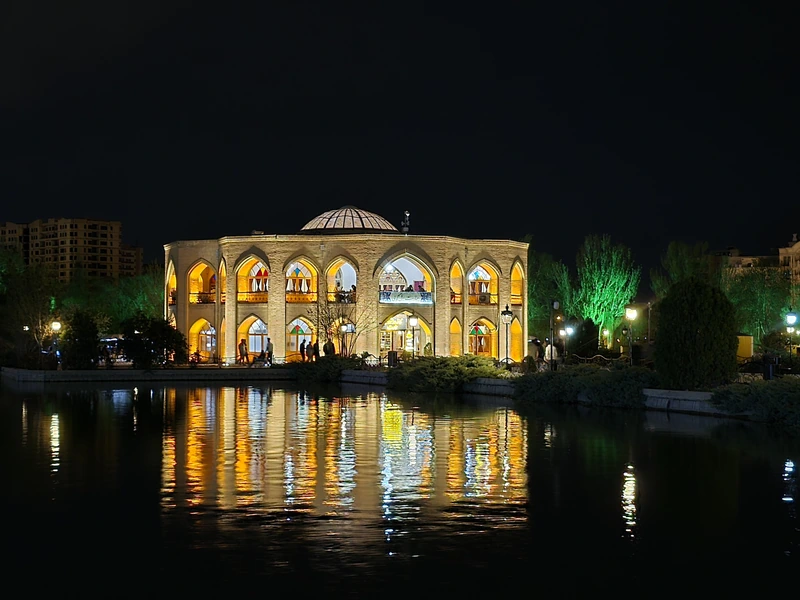
An octagonal pavilion stands within El Goli’s pool in southeastern Tabriz, where an irrigation reservoir developed into a garden and public recreation ground.
 05
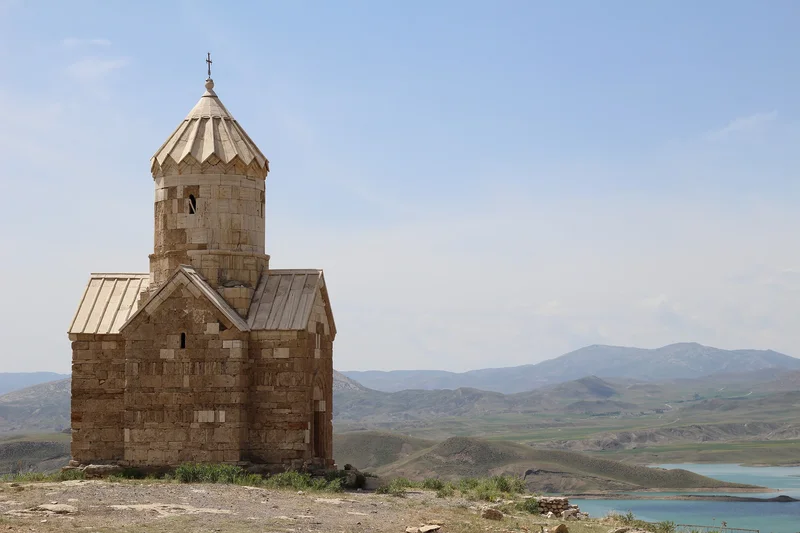
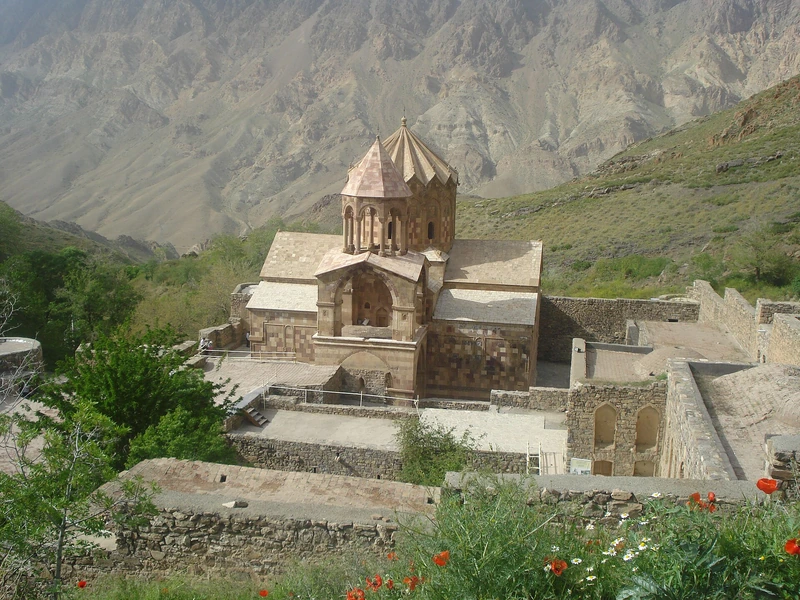
Armenian inscriptions and biblical stone reliefs distinguish St Stepanos, a monastery near the Aras whose church, belfry and Daniel hall form the complex.
Ashiq music brings poetry and oral storytelling to local celebrations. Carpet weaving, silverwork and Mamaghani embroidery give visitors tangible ways to encounter the province’s arts beyond its historic buildings.
The Blue Mosque, Constitutional House and Kandovan village are other cultural visits, presented separately from the World Heritage properties.