 01
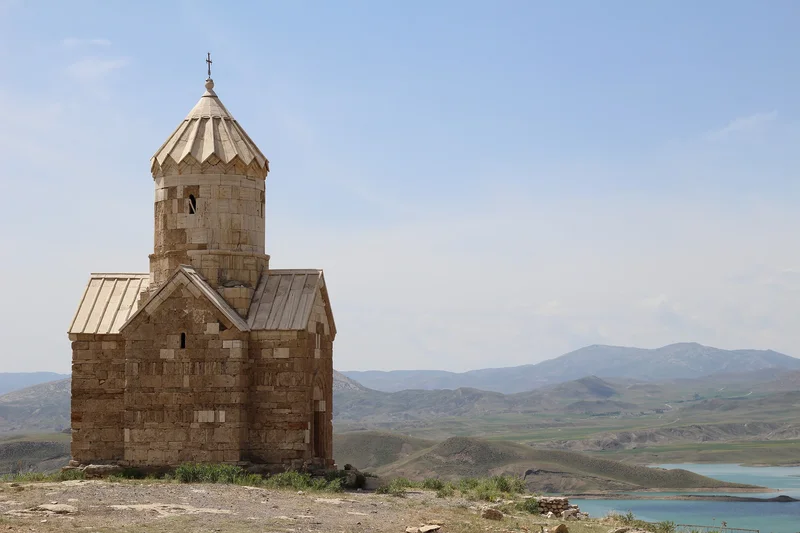
Qara Kelisa
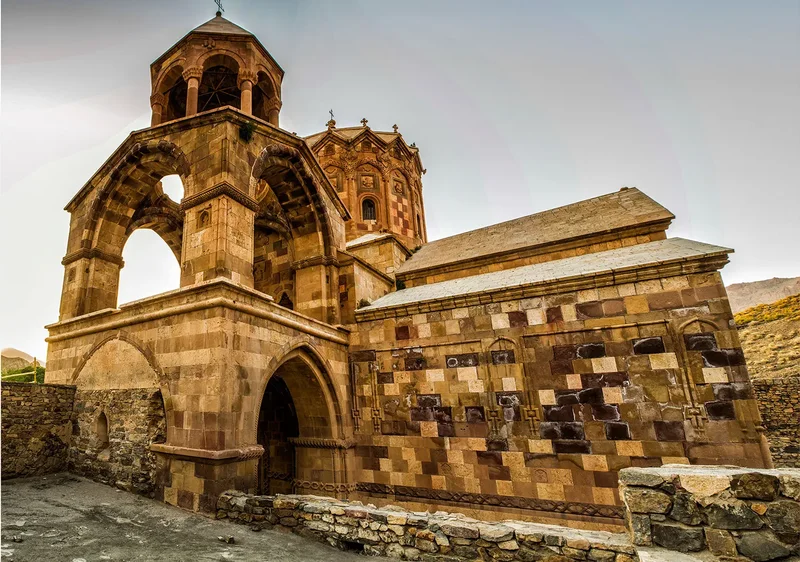
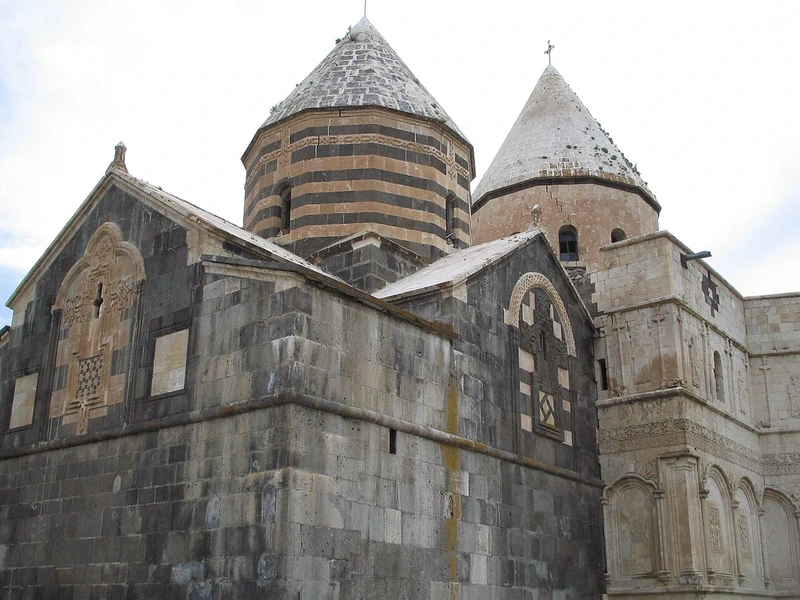
Dark and pale stone, carved façades and continuing pilgrimage distinguish St Thaddeus, the Armenian monastery known as Qara Kelisa near Chaldoran.
Northwest Iran, Lake Urmia and border highlands
Armenian monasteries and the legacy of Takht-e Soleyman
West Azerbaijan contains Takht-e Soleyman, where an artesian lake and Sasanian remains occupy an oval fortified platform amid volcanic mountains. St. Thaddeus Monastery and Dzordzor Chapel are components of UNESCO’s Armenian Monastic Ensembles of Iran.
Urmia and Khoy have historic markets, while rocky valleys and mountains surround Maku and Takab. Lake Urmia lies between Iran’s East and West Azerbaijan provinces; extensive drying has made the lake a major environmental concern.
05
01Dark and pale stone, carved façades and continuing pilgrimage distinguish St Thaddeus, the Armenian monastery known as Qara Kelisa near Chaldoran.
 02
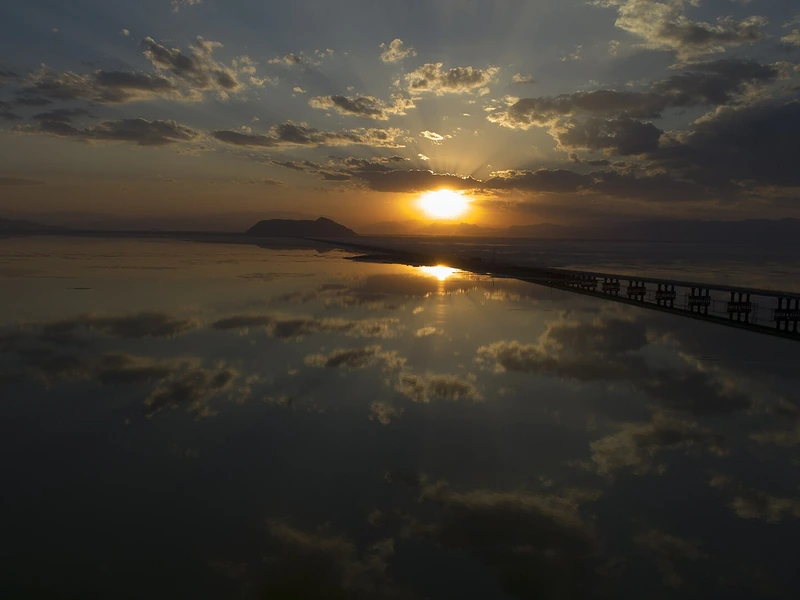
Lake Urmia spans East and West Azerbaijan in northwestern Iran; its salt water, islands and river-fed basin face a continuing threat of drying.
 03
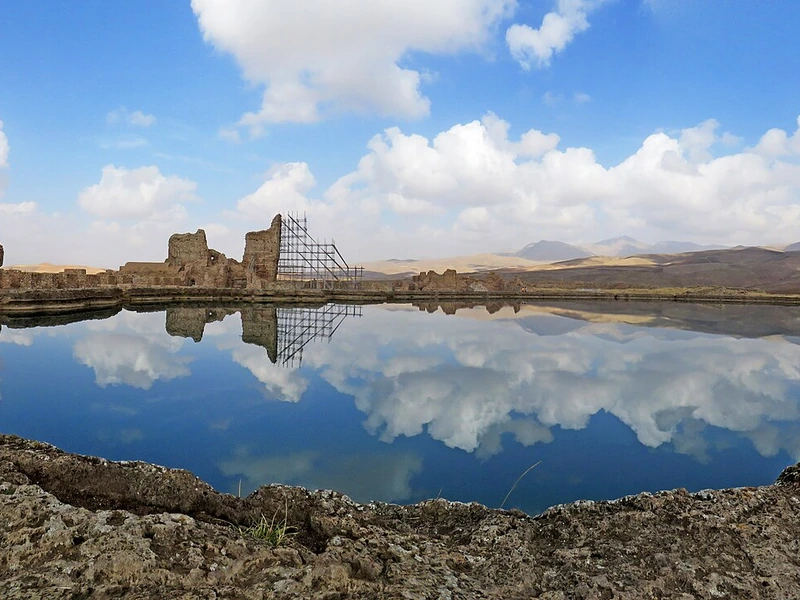
An artesian lake occupies Takht-e Soleyman’s fortified platform, surrounded by Sasanian religious and royal remains partly rebuilt during the Ilkhanid period.
 04
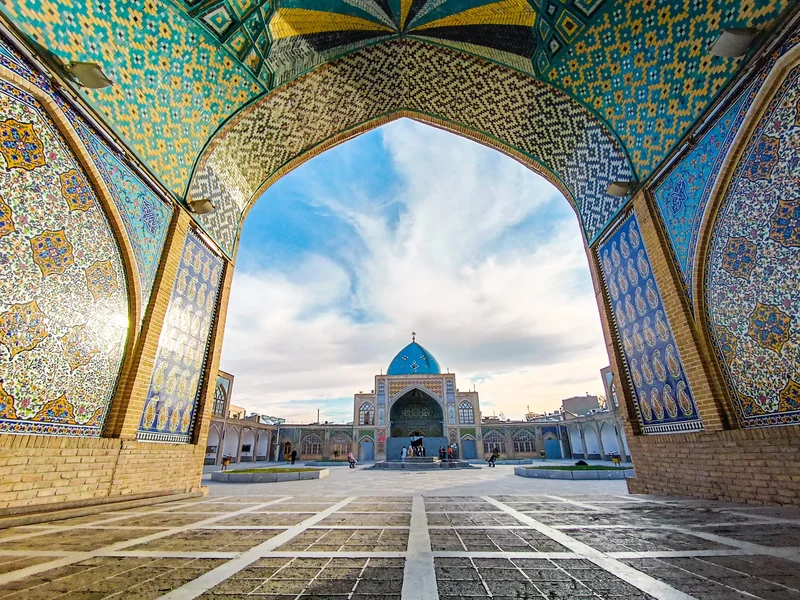
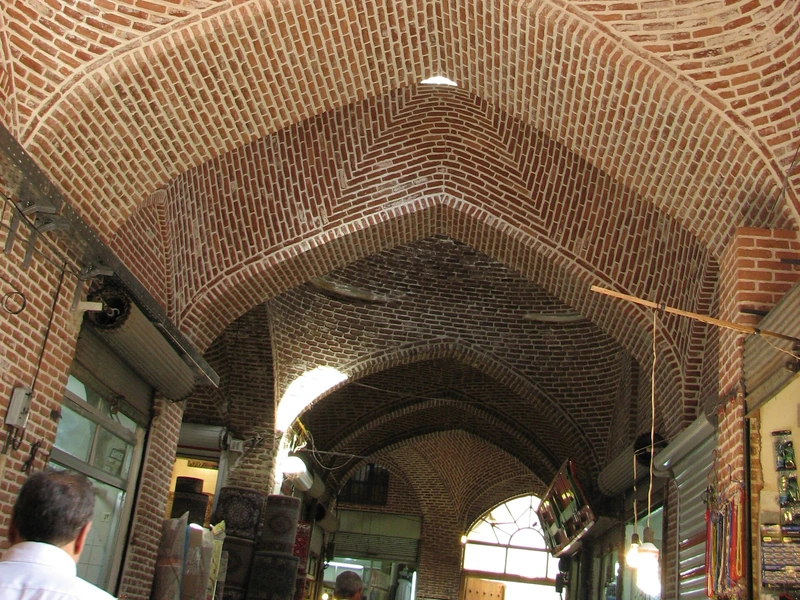
Urmia’s historic bazaar includes Safavid-era fabric and connects with the city’s Jameh Mosque, whose two entrances open into the market.
 05
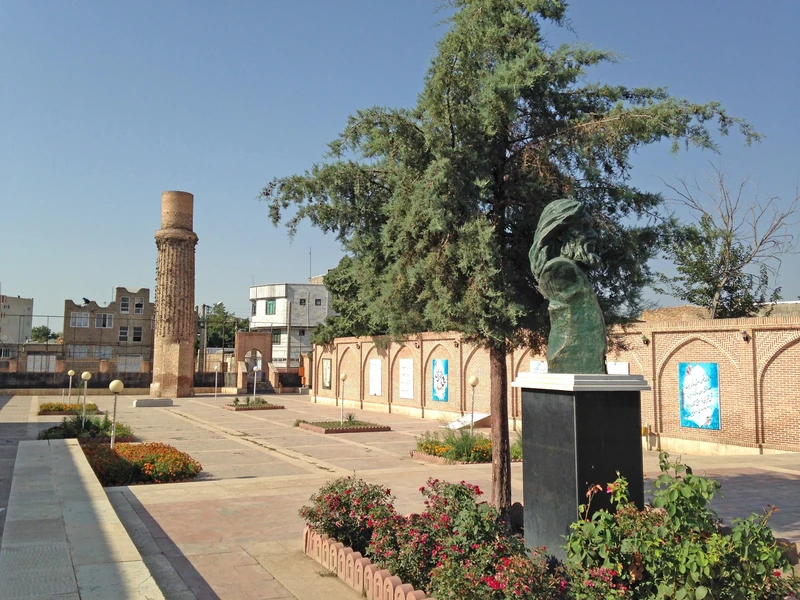
A brick tower decorated with ram horns stands beside the tomb attributed to Shams-e Tabrizi in Khoy, associated with Shah Ismail Safavi.
Turkic-speaking, Kurdish and Christian communities share parts of the province, contributing to varied local traditions. Markets, mosques and churches offer different perspectives on this cultural and religious heritage.
Urmia’s Seh Gonbad tower and the Shams Tabrizi monument in Khoy are other historic visits, separate from the World Heritage properties.