 01
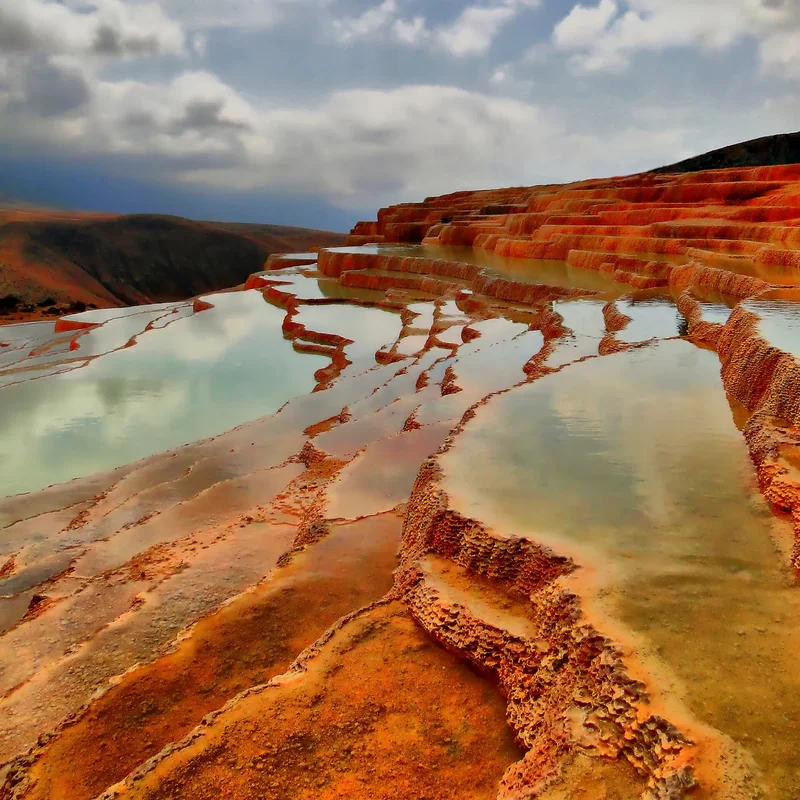
Badab-e Surt
Two mineral springs have formed Badab-e Surt’s stepped pools in Mazandaran, with deposits producing orange, yellow and red layers down the mountainside.
Northern Iran · Caspian coast and Alborz
Between Alborz peaks and the Caspian Sea
Mazandaran lies between the Caspian coast and the Alborz heights, with Sari as its capital. Hyrcanian forests, Damavand’s slopes and the mineral terraces of Badab-e Surt are among its landscapes.
Near Behshahr, Safavid Abbasabad Garden and its waterworks form a component of the UNESCO-listed Persian Garden. Babolsar and Ramsar are coastal towns; local crafts include pottery, jajim textiles and mat weaving.
06
01Two mineral springs have formed Badab-e Surt’s stepped pools in Mazandaran, with deposits producing orange, yellow and red layers down the mountainside.
 02
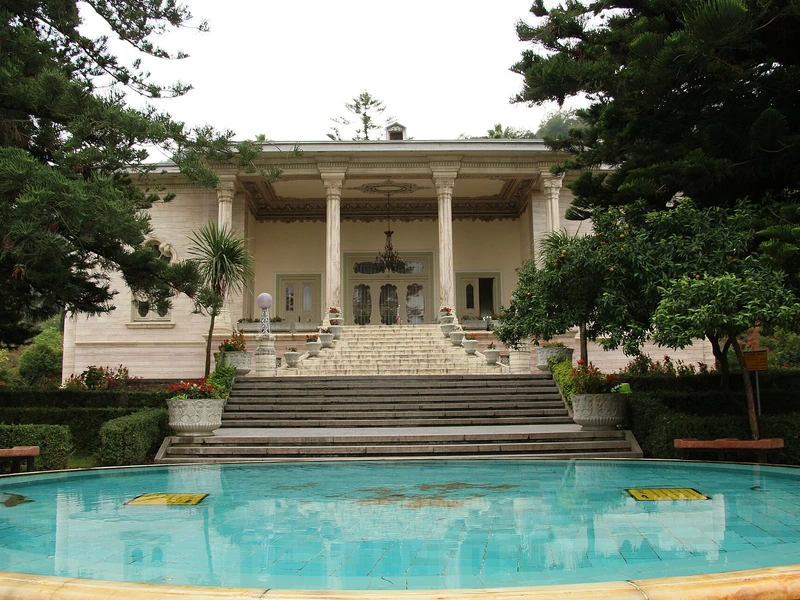
Marble fronts Ramsar’s former Pahlavi residence, now a museum, where a central hall and side rooms retain period furniture and decorative objects.
 03
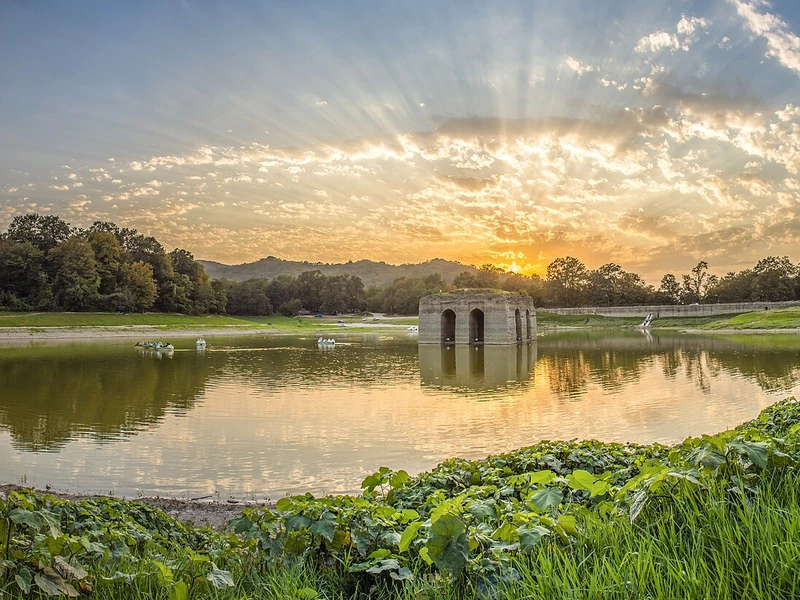
Near Behshahr, Abbasabad combines a Safavid garden with a dam, lake and brick pavilion as one component of UNESCO’s Persian Garden property.
 04
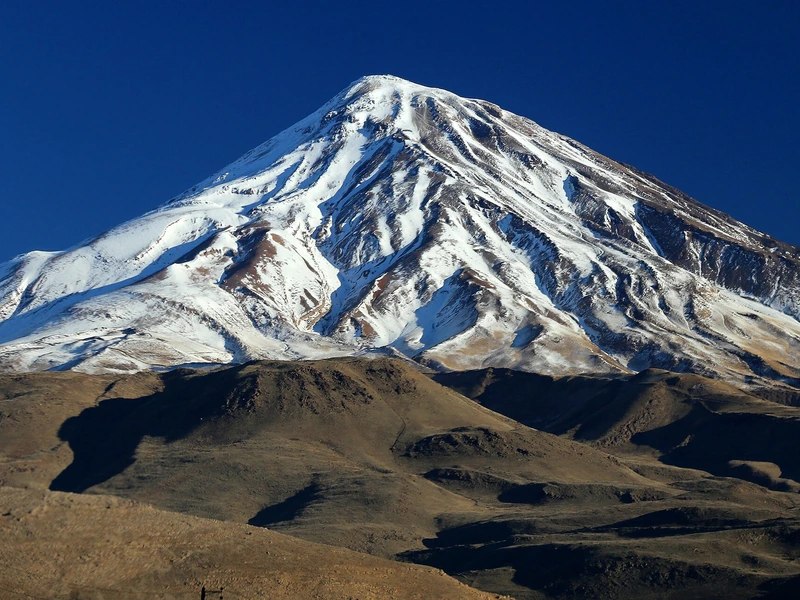
Iran’s highest mountain, volcanic Damavand rises in the central Alborz; glaciers and sulfur emissions accompany its presence in Persian literature and mythology.
 05
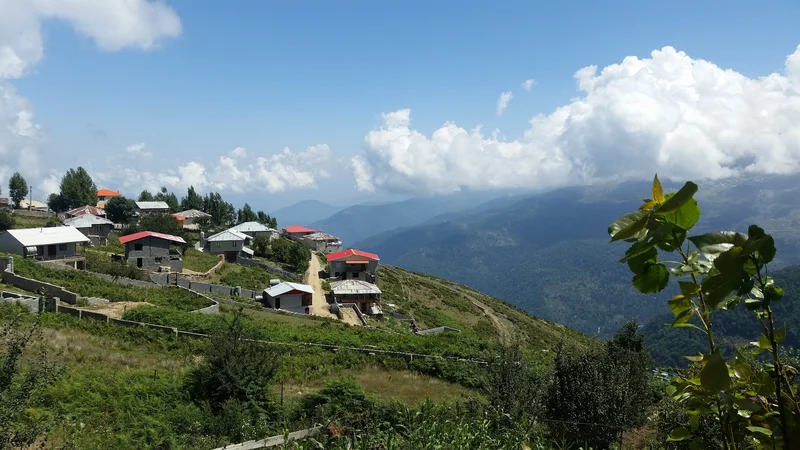
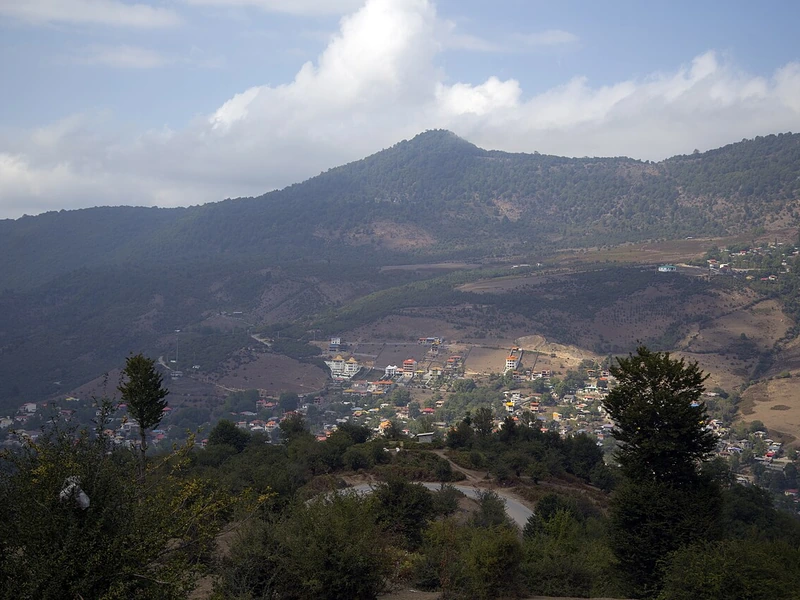
Filband stands about 2,300 metres above sea level in Mazandaran’s Babol County, where clouds can gather below the village and springs emerge nearby.
 06
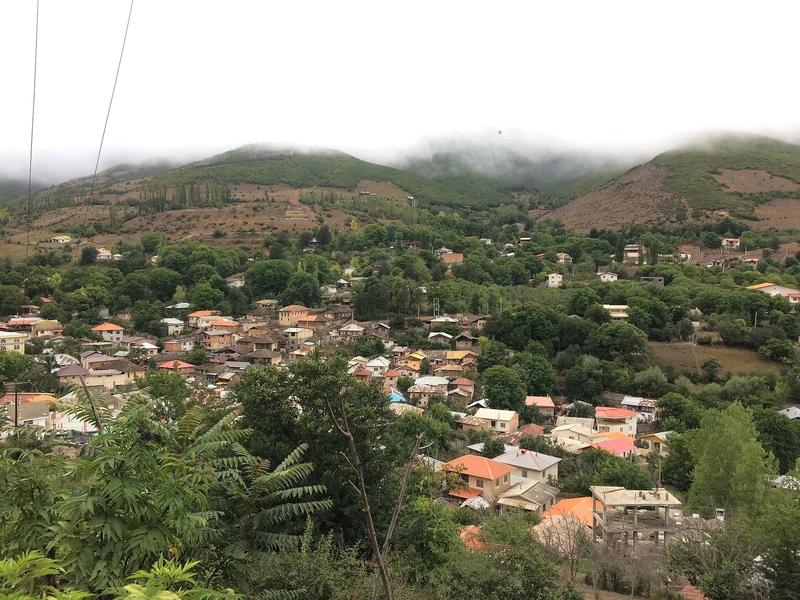
Kandelous brings timber-roofed village houses, paved lanes and an ethnography museum into Mazandaran’s Alborz foothills; UN Tourism selected the village in 2025.
Lucho wrestling and Amol’s Tirgan festival are among Mazandaran’s local traditions. Provincial markets also make the connection between farming, seasonal produce, food and handmade goods visible to visitors.
Other heritage highlights: Farahabad’s historic complex and Ramsar Palace, without separate World Heritage inscriptions.