 01
Masuleh
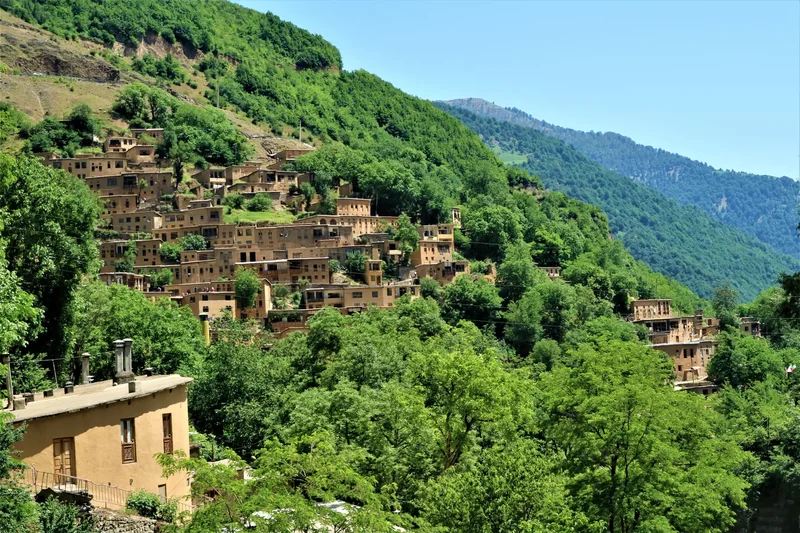
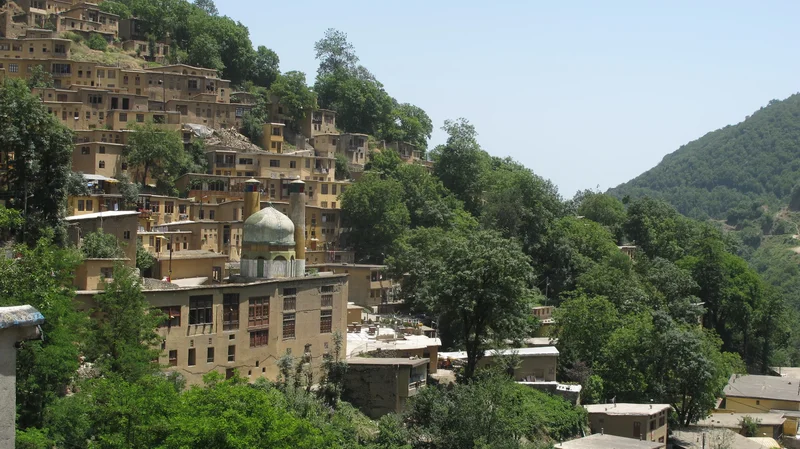
Masuleh’s stepped houses share roofs, courtyards and pedestrian routes, forming a connected settlement on a forested mountain slope in Gilan province.

Northern Iran · south-west Caspian coast
Caspian forests and the flavours of Rasht
Gilan lies between the Caspian Sea and the Talesh and Alborz slopes. Rasht, the capital, has a market selling regional produce and foods. Tea cultivation around Lahijan and rice fields are features of the province’s agriculture.
Anzali Lagoon, the stepped settlement of Masuleh and Rudkhan Castle are among Gilan’s destinations. Local crafts include Amlash pottery, Lahijan silk weaving and woven reed goods.
05
01Masuleh’s stepped houses share roofs, courtyards and pedestrian routes, forming a connected settlement on a forested mountain slope in Gilan province.
 02
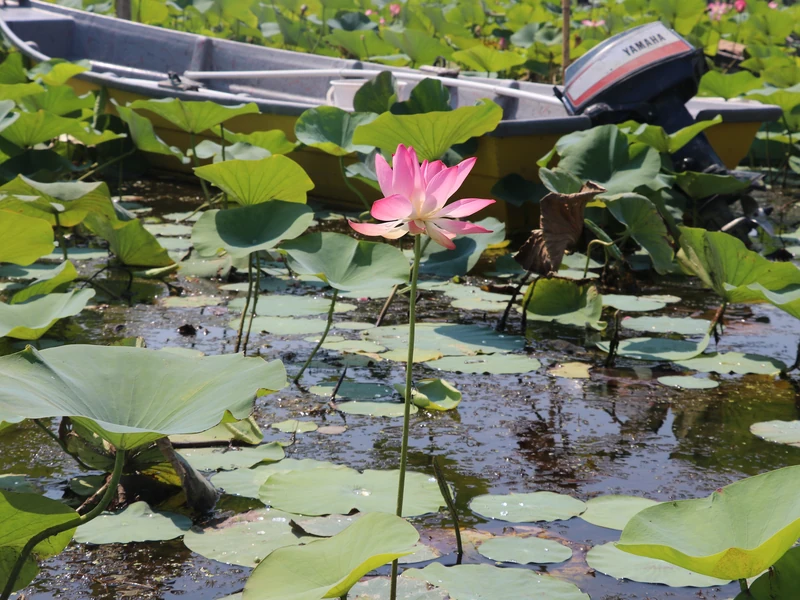
Linked to the Caspian by a shipping channel, Anzali Lagoon supports aquatic plants and migratory birds along the coast of Gilan.
 03
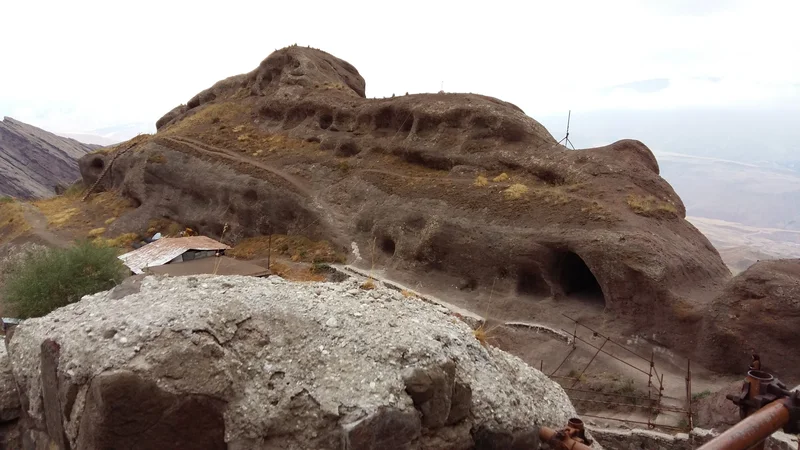
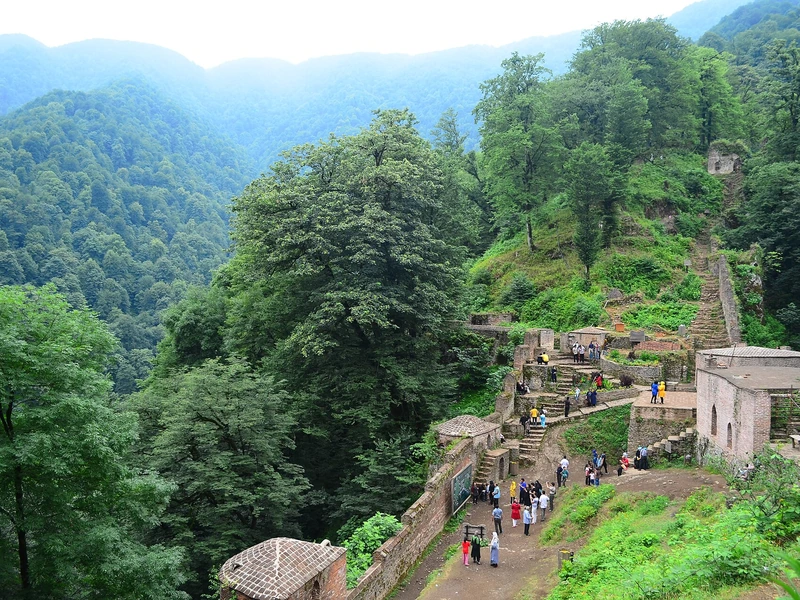
Rudkhan Castle near Fuman combines a western citadel and eastern military quarters, enclosed by fortified walls built with stone and brick.
 04
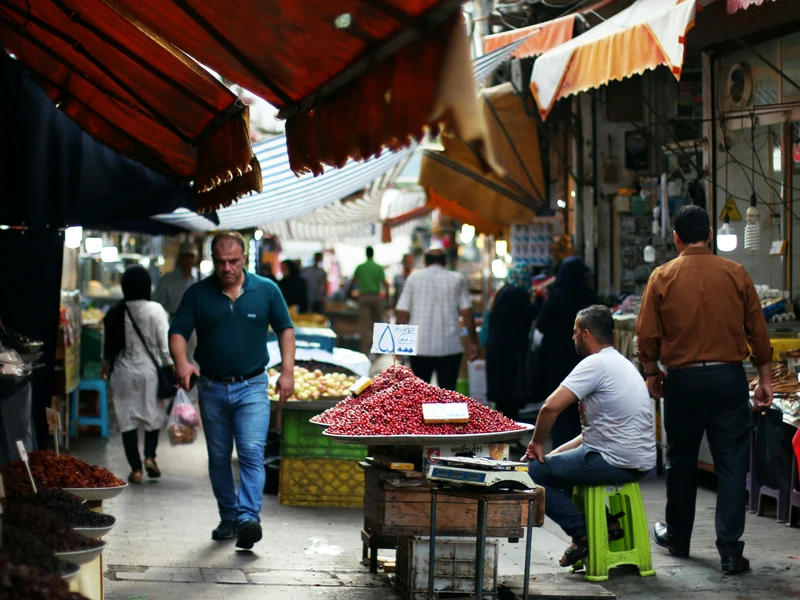
Rasht’s open-air bazaar brings fish, vegetables and regional foods into a historic network of squares, market lanes and caravanserais near Municipality Square.
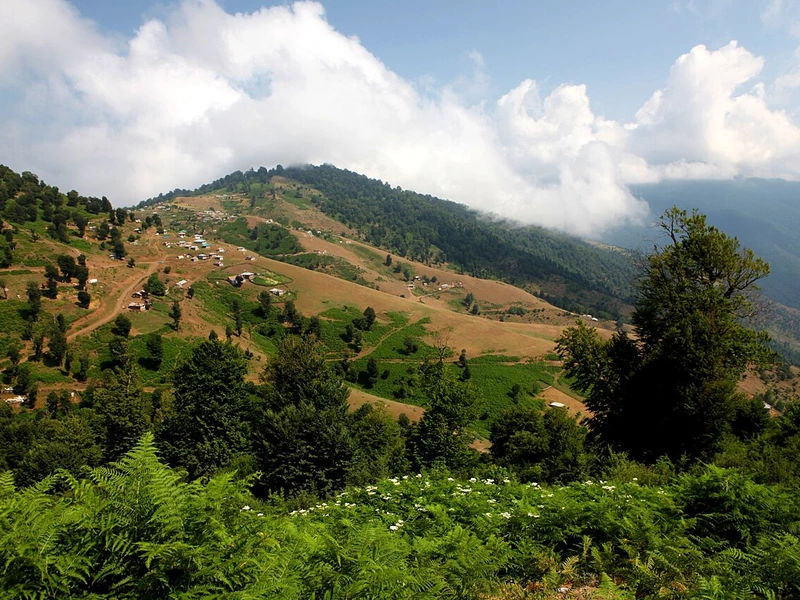 05
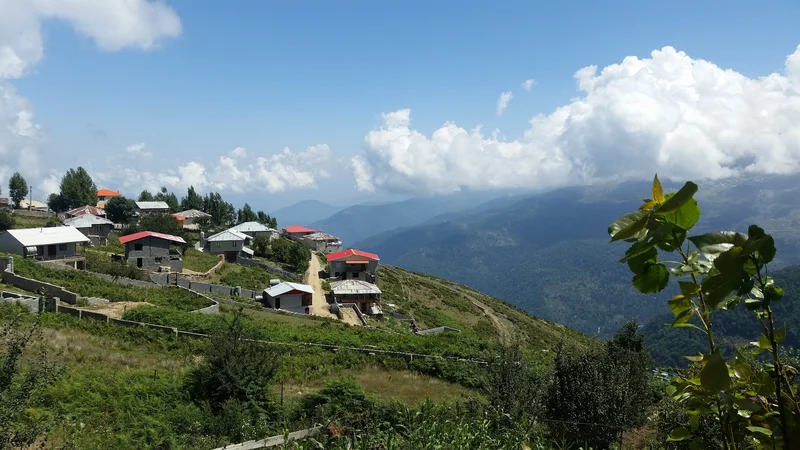
Connecting Gilan with Ardabil, the Asalem–Khalkhal Road crosses forest, mountain foothills and upland pastures, with wooden cottages along parts of the route.
Seasonal produce and local cooking methods shape Gilan’s food culture. Rasht joined UNESCO’s Creative Cities Network for Gastronomy in 2015; this designation is distinct from World Heritage inscription.
Other heritage highlights: Masuleh and Rudkhan Castle, neither an independently inscribed World Heritage property.