 01
Gonbad-e Qabus
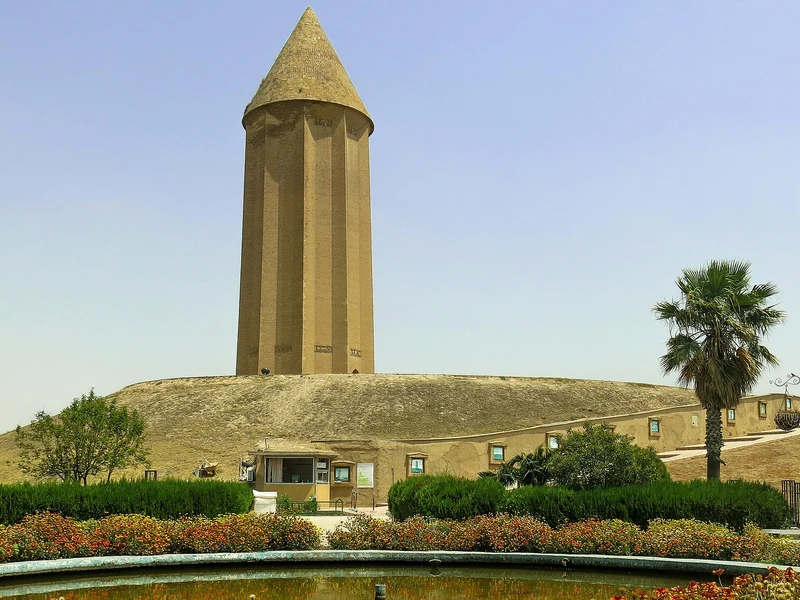
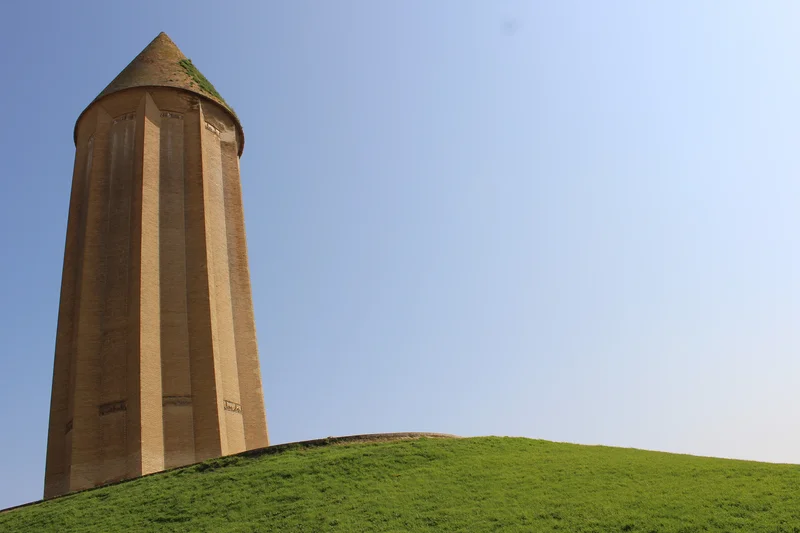
Gonbad-e Qabus is a brick tomb tower dated 1006, distinguished by its ten-pointed plan, conical roof and two bands of Kufic inscriptions.
Northern Iran · eastern Alborz and Turkmen Sahra
Where forests meet the Turkmen plains
Golestan spans the Caspian coast, eastern Alborz forests and drier northern plains. Gonbad-e Qabus, a brick tower built in 1006, is associated with the historic city of Jorjan. Gorgan is the provincial capital.
Gorgan’s historic neighbourhoods and houses and Bandar Turkmen’s coastal market are among its urban destinations. Kabudval Waterfall and Golestan National Park represent natural sites. Chekdermeh, silk weaving and embroidery feature in regional food and crafts.
05
01Gonbad-e Qabus is a brick tomb tower dated 1006, distinguished by its ten-pointed plan, conical roof and two bands of Kufic inscriptions.
 02
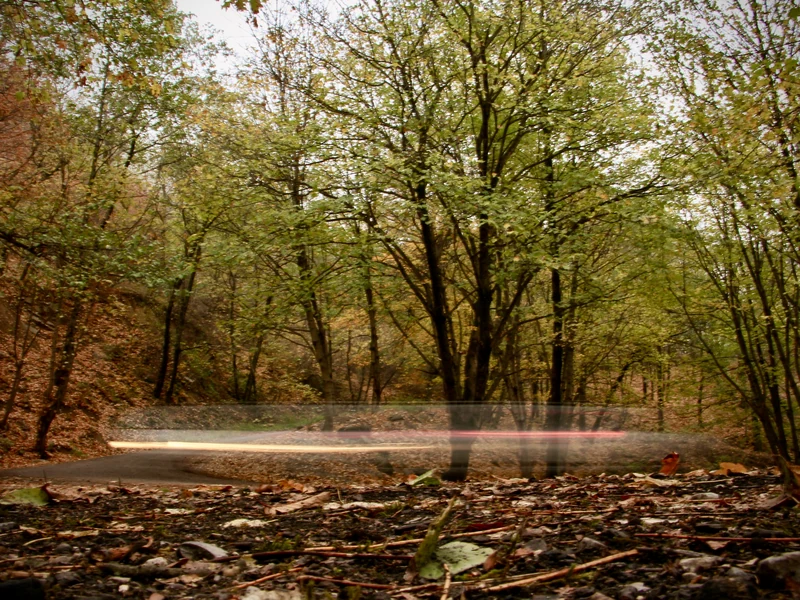
Golestan National Park extends across three provinces, combining broad-leaved forests, mountain terrain and waterfalls within one of northern Iran’s protected wildlife areas.
 03
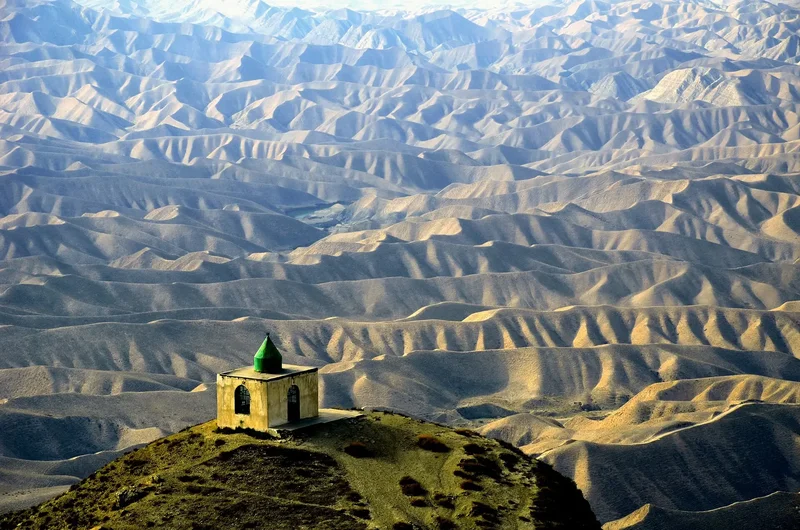
A domed shrine and a cemetery of upright stone markers occupy the hills around Khalid Nabi near Kalaleh in Golestan province.
 04
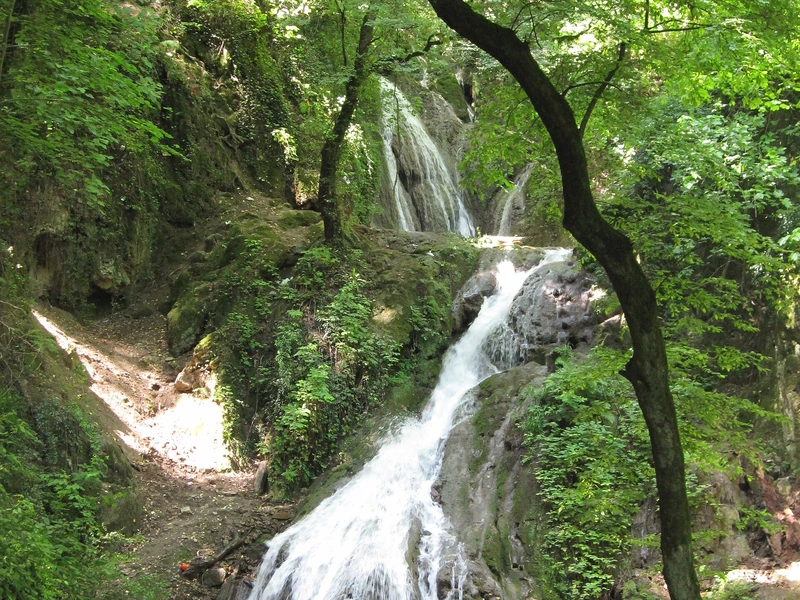
Kabudval’s spring-fed cascade falls over moss-covered rock near Aliabad-e Katul, reached by a paved forest path passing smaller waterfalls and pools.
 05
Turkmen Sahra’s plains around Gonbad-e Kavus support farming, livestock and horse breeding, alongside the region’s established traditions of Turkmen carpet weaving.
Turkmen culture shapes clothing, music and community life in parts of Golestan. The Agh-Ash celebration for men at age 63 brings together food, poetry and family gathering within this living tradition.
Other heritage highlights: Gorgan’s Jameh Mosque and historic houses, without separate World Heritage inscriptions.