 01
Shah Abbasi Caravanserai
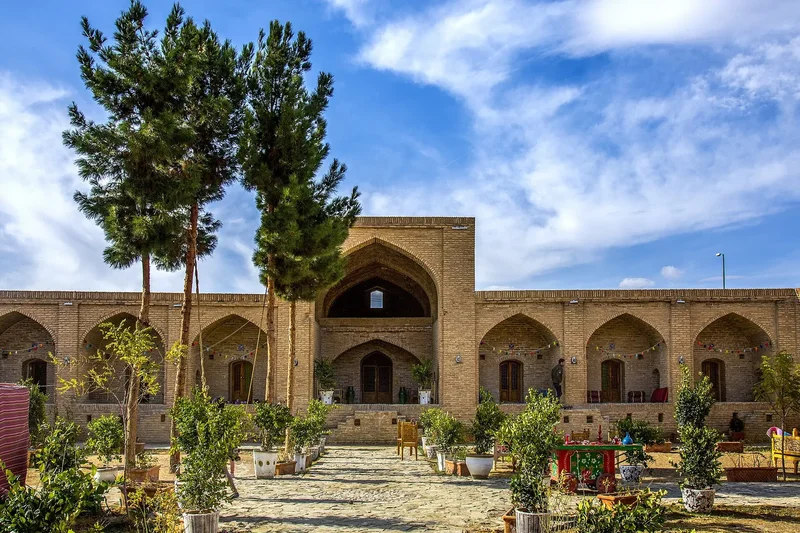
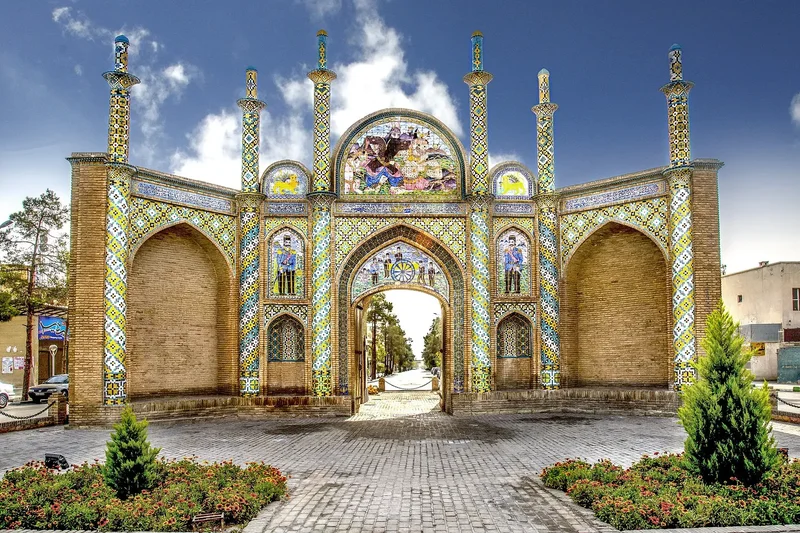
Two iwans frame Lasjerd’s Safavid caravanserai west of Semnan, with chambers opening towards a central courtyard and camel stables extending behind them.

Southern Alborz foothills and the edge of Dasht-e Kavir
From Silk Road stops to the cloud forest
Semnan Province lies between the southern Alborz foothills and Dasht-e Kavir, along a historic east–west corridor. The Safavid caravanserai at Lasjerd stands west of Semnan city.
Damghan’s Tarikhaneh Mosque survives from the eighth century or earlier. The Bayazid Bastami Complex in Bastam includes a mosque and several tombs. Near Shahroud, Abr Forest forms part of the Hyrcanian woodland on the boundary with Golestan.
05
01Two iwans frame Lasjerd’s Safavid caravanserai west of Semnan, with chambers opening towards a central courtyard and camel stables extending behind them.
 02
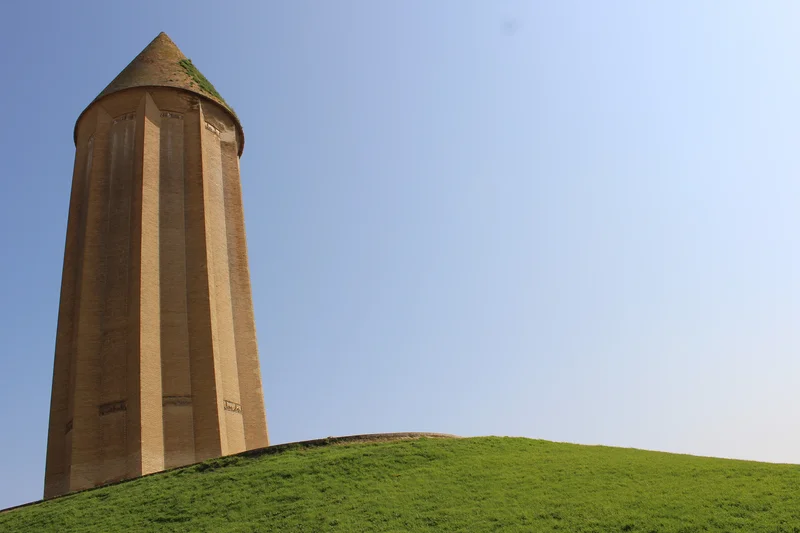
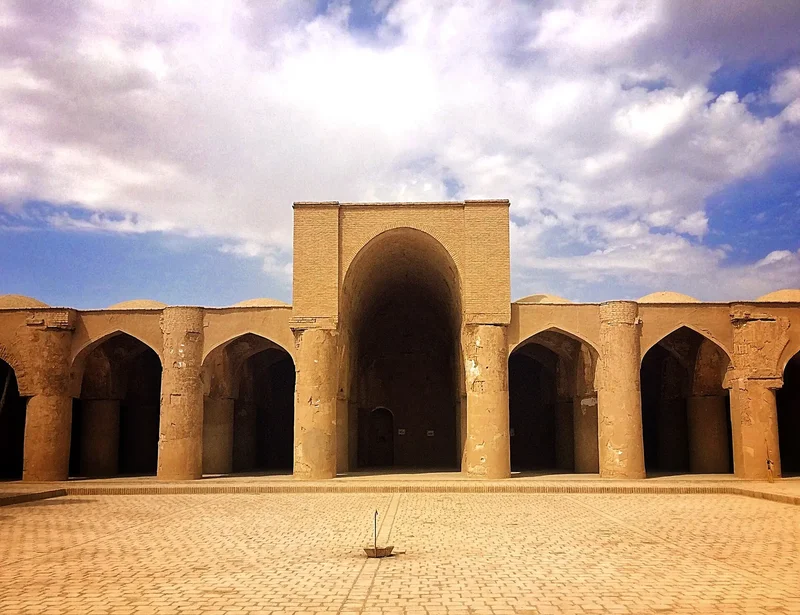
Sasanian building techniques survive in Tarikhaneh’s columned mosque at Damghan, while a Kufic inscription dates its cylindrical minaret to 1027–28.
 03
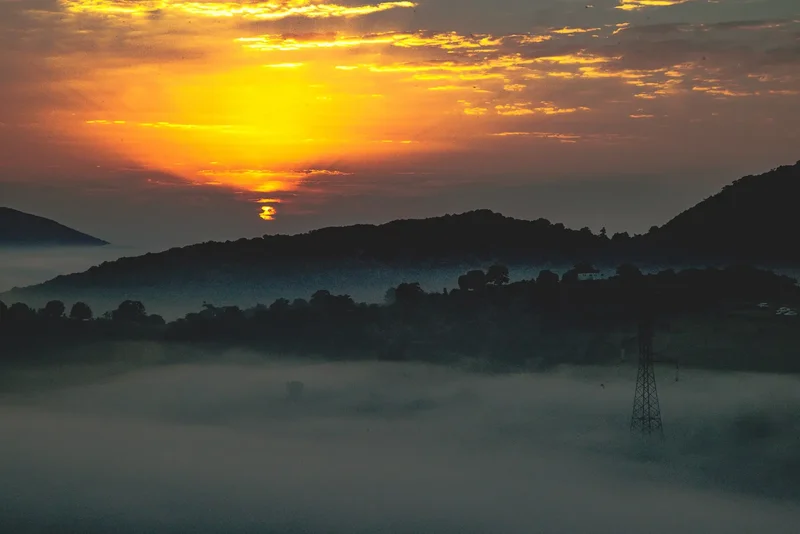
Cloud cover gives Abr Forest its name, where Hyrcanian woodland near Shahroud meets the boundary between Semnan and Golestan provinces.
 04
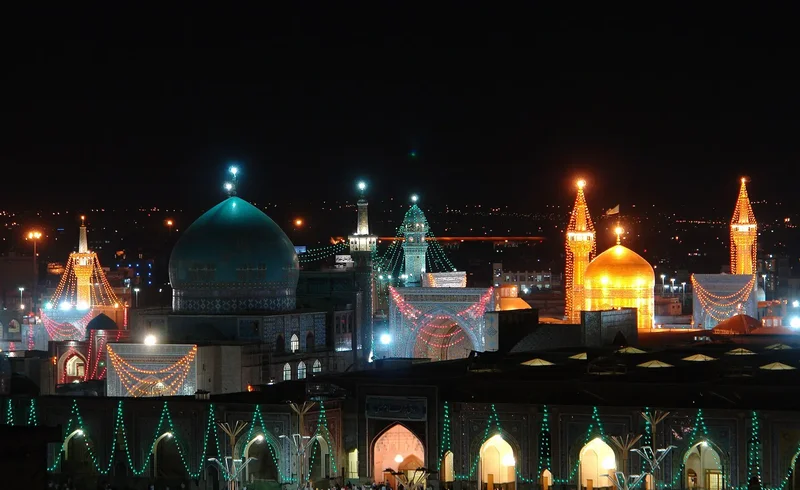
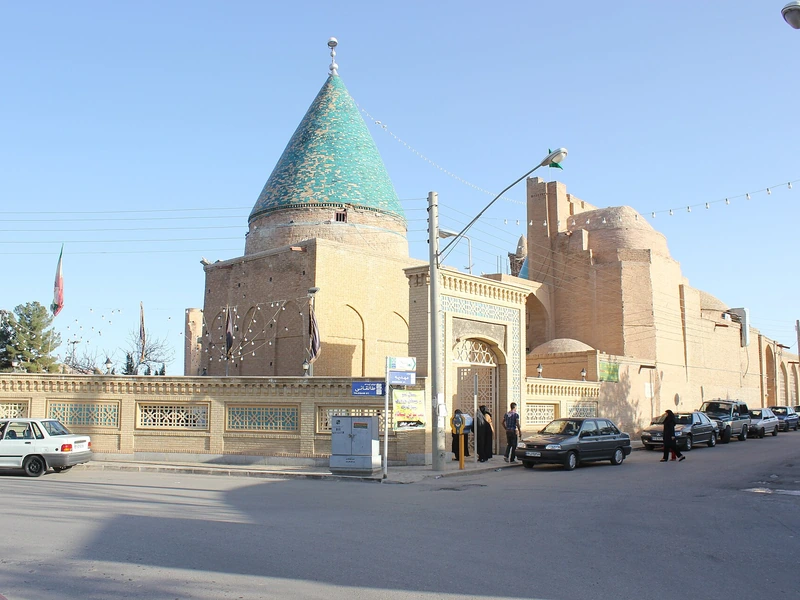
A mosque, minaret and several tombs form Bastam’s Bayazid complex, commemorating a ninth-century Iranian Sufi in the province of Semnan.
 05
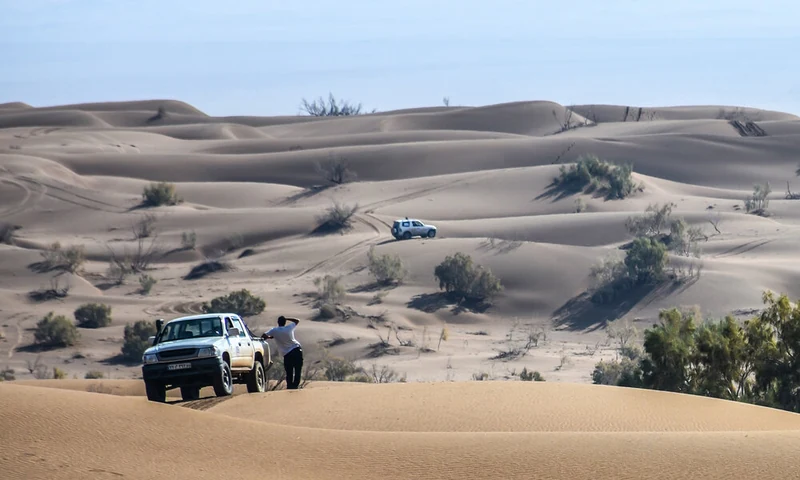
Dunes, marshy ground and jinn folklore distinguish Rig-e Jenn, a desert between Semnan and Isfahan in the southwestern Dasht-e Kavir.
Caravanserai courtyards and rooms reveal life along Semnan’s trade and pilgrimage routes. In towns and villages, pottery and handwoven textiles preserve another part of the region’s traditional material culture.
Other heritage stops include Damghan’s Tarikhaneh Mosque and the Bayazid Bastami Complex; these are not individually inscribed World Heritage properties.