 01
Baba Aman Park
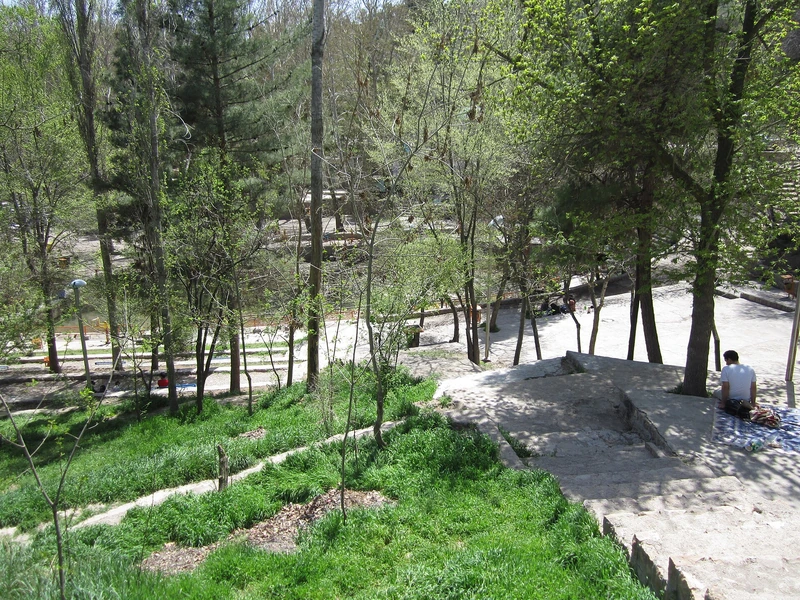
Spring water moves through pools and artificial cascades at Baba Aman, a wooded recreation park beside the road from Bojnord to Mashhad.

North-eastern Iran · Turkmenistan border
Kopet Dag mountains and village trails
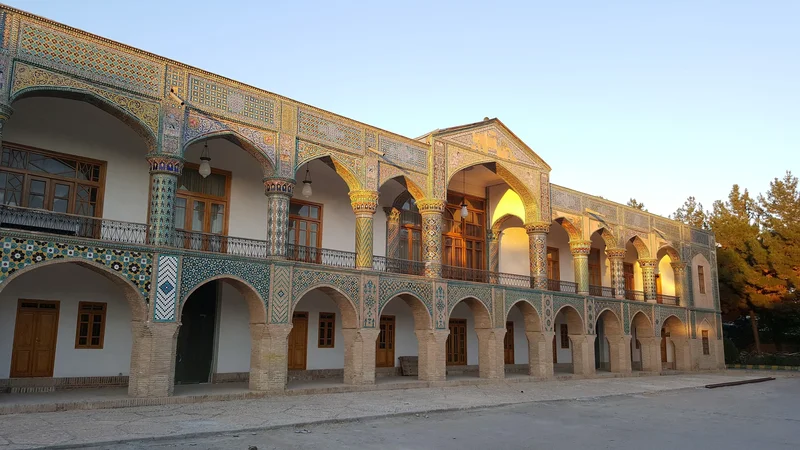
Bojnord, North Khorasan’s capital, preserves the Qajar Mofakham ensemble with tilework and a mirrored hall. Kurmanj, Turkish and Turkmen communities live in the province, where carpet weaving and other local textiles are established crafts.
On the Mashhad road, Baba Aman is a recreation area with springs and pools. Espidan has stepped mountainside houses, while Darkesh contains a wooded river valley.
05
01Spring water moves through pools and artificial cascades at Baba Aman, a wooded recreation park beside the road from Bojnord to Mashhad.
 02
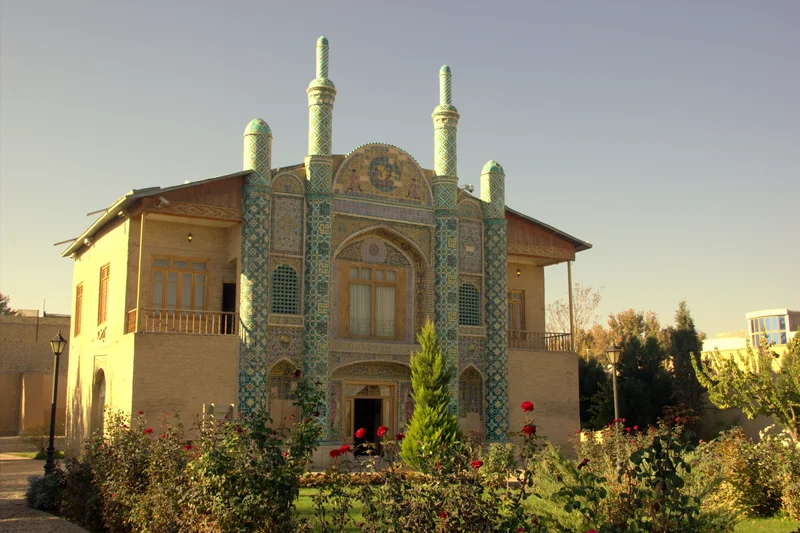
A mirrored upper hall and tiled façades distinguish Bojnord’s Mofakham Mirror House, a Qajar building now used for manuscripts and historical documents.
Saluk’s mountains and plains lie between Esfarayen and Bojnord, with springs, wild fruit trees and habitats protected as a national park and adjoining area.
 04
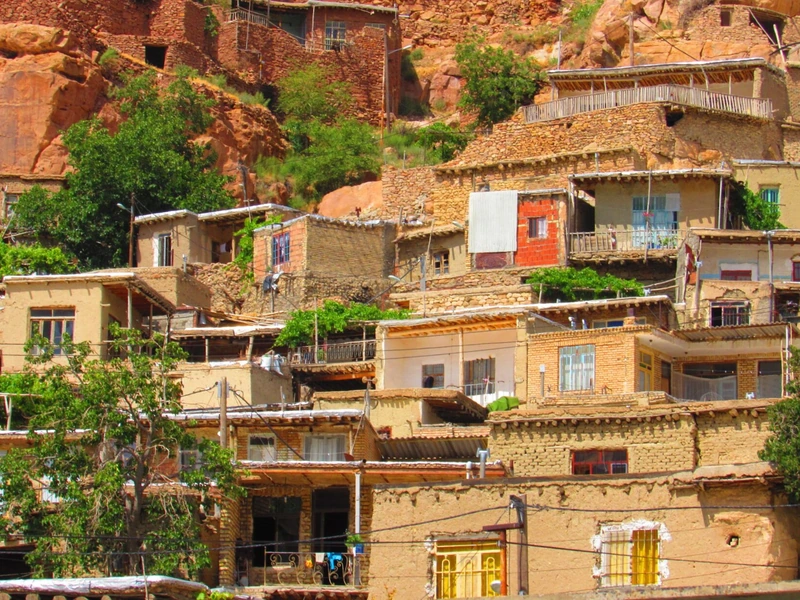
Stepped houses climb the mountainside at Espidan, southeast of Bojnord, with waterfalls, a cave and local shrines in the village’s surrounding landscape.
 05
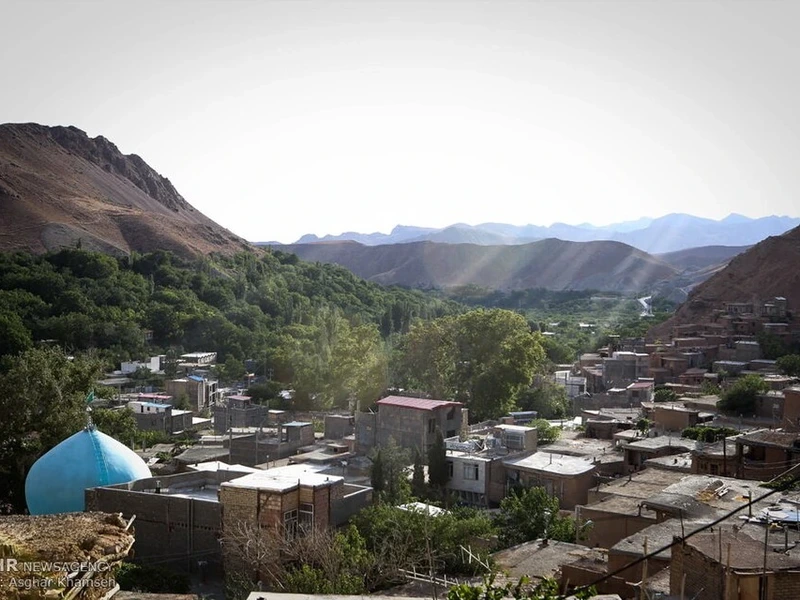
Handwoven chadorshab, towels and shawls distinguish Rooyin, a North Khorasan village where textile work accompanies fruit gardens and the Tati language.
Kurmanj clothing and weaving skills are part of North Khorasan’s everyday culture. Farooj’s museum places handmade textiles alongside the stories of different provincial communities, offering a tangible introduction to that diversity.
Other heritage highlights: the Mofakham ensemble and historic Belqeys city, without separate World Heritage inscriptions.