Sistan & Baluchestan

South-eastern Iran · Sistan, Baluchestan & Makran coast

Sistan & Baluchestan

From the Burnt City to the Makran coast

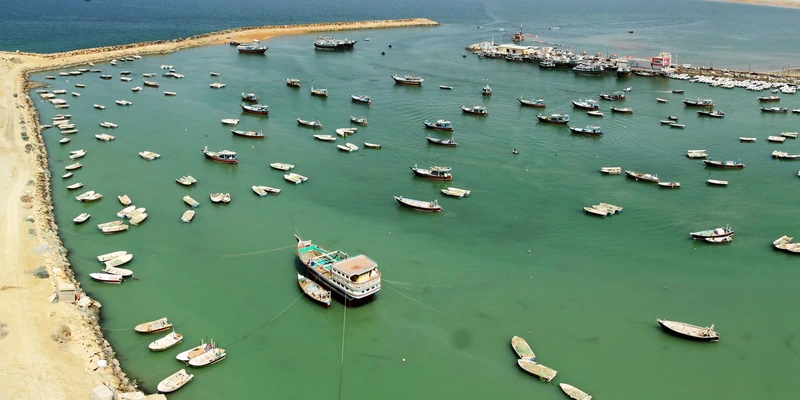
Image source · Wikimedia CommonsSafa Daneshvar · CC BY-SA 4.0Beris port on the Makran coast; photograph cropped.

Sistan and Baluchestan joins two landscapes in south-eastern Iran: Sistan’s northern plains and Baluchestan’s uplands, reaching the Makran coast and Sea of Oman. Shahr-e Sukhteh, on Bronze Age trade routes, records the emergence of urban societies in the eastern Iranian plateau.

Farther south, Chabahar’s port, eroded cliffs and coastline reveal a maritime setting. Baluch embroidery and dishes such as tabaheg add cultural detail; long distances favour a clearly planned regional itinerary.

Sistan & Baluchestan at a Glance

Capital
Zahedan
Region
South-eastern Iran · Sistan, Baluchestan & Makran coast
Best season
Autumn & winter
Suggested stay
3–4 days for one region; 7–10 days for a wider route
Best for
Archaeology · Sea · Nature · Crafts · Culture
Main access
Airport · Zahedan rail connection · Road

05

5 essential places

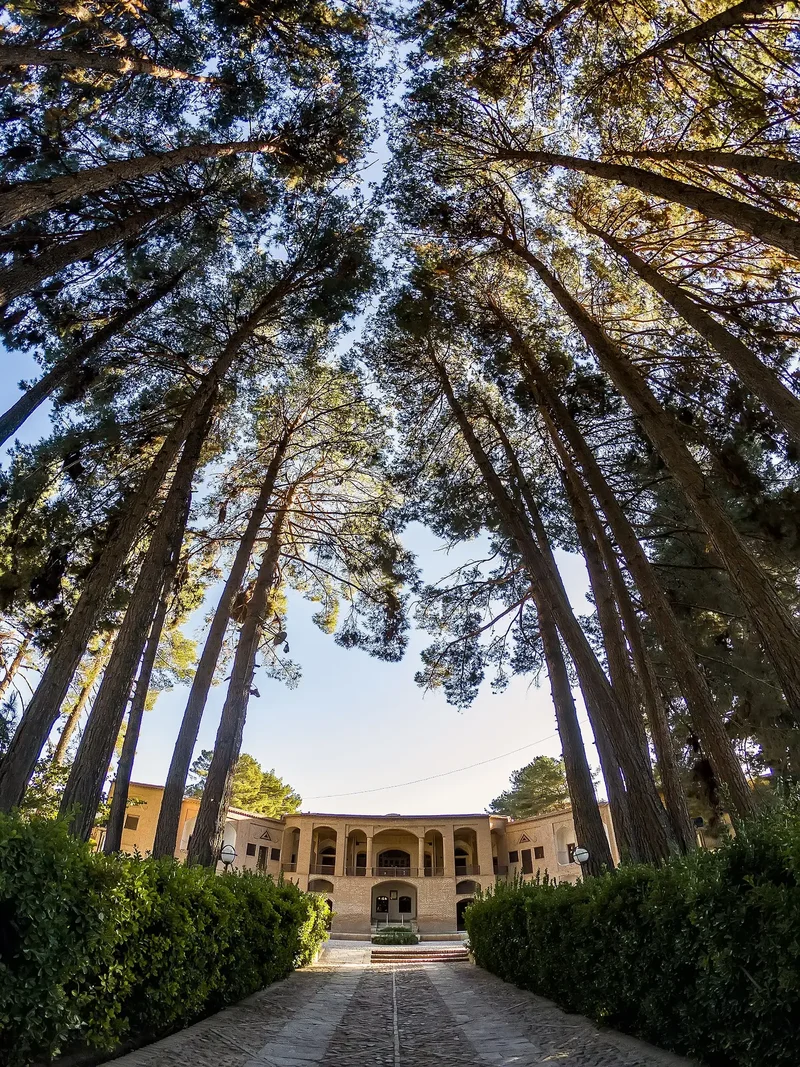
Image source · Wikimedia CommonsAmirkhan33 · CC BY-SA 4.0Photograph cropped

Shahr-e Sukhteh

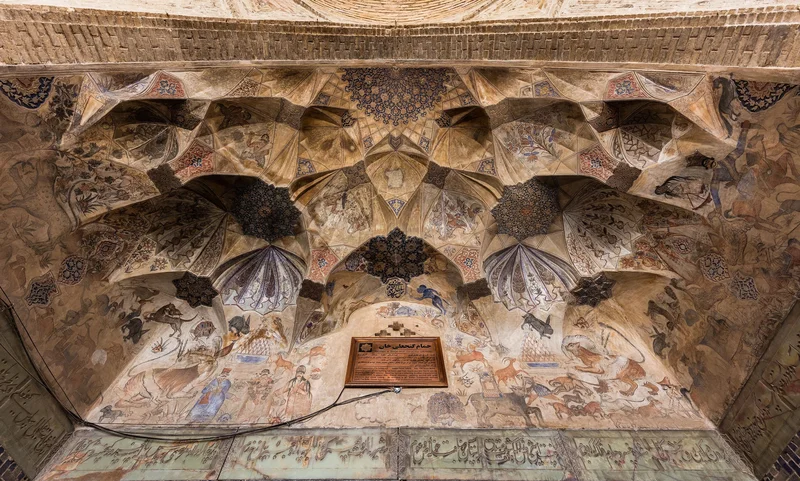
Shahr-e Sukhteh, the ‘Burnt City’, was a major urban centre in ancient Sistan during the third millennium BCE. Residential and craft quarters, its cemetery and diverse finds provide exceptional evidence for early urban society on the eastern Iranian Plateau.

Image source · Wikimedia CommonsSafa.daneshvar · CC BY-SA 4.0Photograph cropped

Martian Mountains

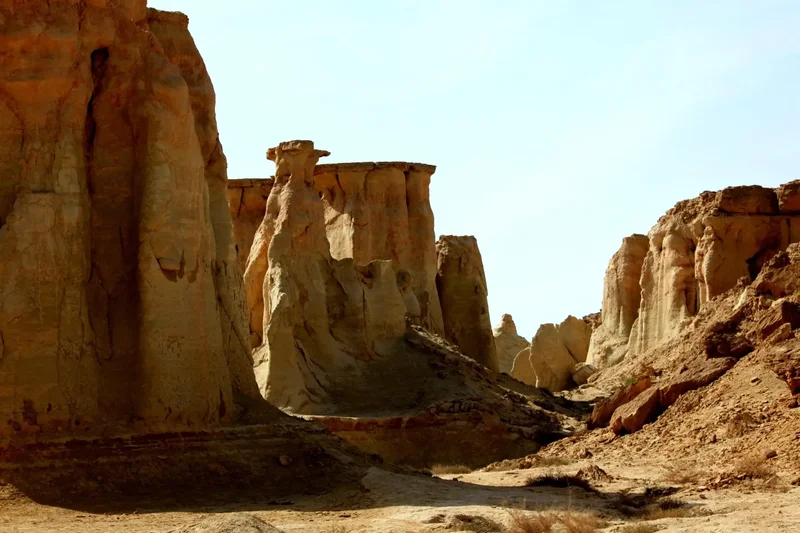
Along the road from Chabahar to Gwadar Bay, the sharp grooves and grey-white tones of the Miniature Mountains rise beside the blue Sea of Oman. Rapid erosion by wind and rain shaped these otherworldly forms, while the road continually opens new views between golden coast and rippling ridgelines.

Image source · Wikimedia CommonsSafa Daneshvar · CC BY-SA 4.0Beris port and beach on the Makran coast; photograph cropped

Chabahar Coast

The Chabahar coast faces the Gulf of Oman and the Indian Ocean, forming Iran’s only oceanic shoreline. Rocky headlands, sandy bays and tidal landscapes give the country’s southeast a distinctive character.

Image source · Wikimedia CommonsSafa.daneshvar · CC BY-SA 4.0

Lipar Pink Lagoon

Lipar Pink Lagoon near Chabahar owes its colour to salt-loving microorganisms and algae active in highly saline water. The intensity of the pink varies with water level, salinity and seasonal conditions, so the lagoon does not look identical throughout the year.

Image source · Wikimedia CommonsHadi Karimi هادی کریمی · CC BY-SA 3.0

Gando Protected Area

Gando Protected Area in southeastern Sistan and Baluchestan safeguards river channels, natural pools and the habitat of the mugger crocodile, locally known as the gando. Its importance is ecological rather than architectural, and visits should follow conservation rules and local safety guidance.

More about Sistan & Baluchestan

Important Cities
  • Zahedan — provincial capital
  • Zabol — base for Sistan’s heritage
  • Chabahar — Makran coast
  • Iranshahr — Naseri Castle
  • Saravan
Food & Souvenirs

Local food

  • Sistani yellow kashk
  • Baluch tabaheg

Souvenirs & crafts

  • Baluch needlework
  • Coin and mirror embroidery
  • Mat weaving
Culture & Arts

Needlework is a distinctive feature of Baluch clothing, with different embroidery practices across the province. Literature, music and handicrafts make the cultural distinctions between Sistan and Baluchestan visible in everyday life.

UNESCO & Heritage

Selected UNESCO World Heritage properties

  • Shahr-i Sokhta — cultural World Heritage property, 2014

Other historic places

Kuh-e Khwaja in Sistan, Iranshahr’s Naseri Castle and Tis near Chabahar are other historic places, presented separately from individually inscribed World Heritage properties.

Selected Universities
  • University of Sistan and Baluchestan

Explore by interest

Explore next

Official & Further Resources