 01
Akbarieh Garden
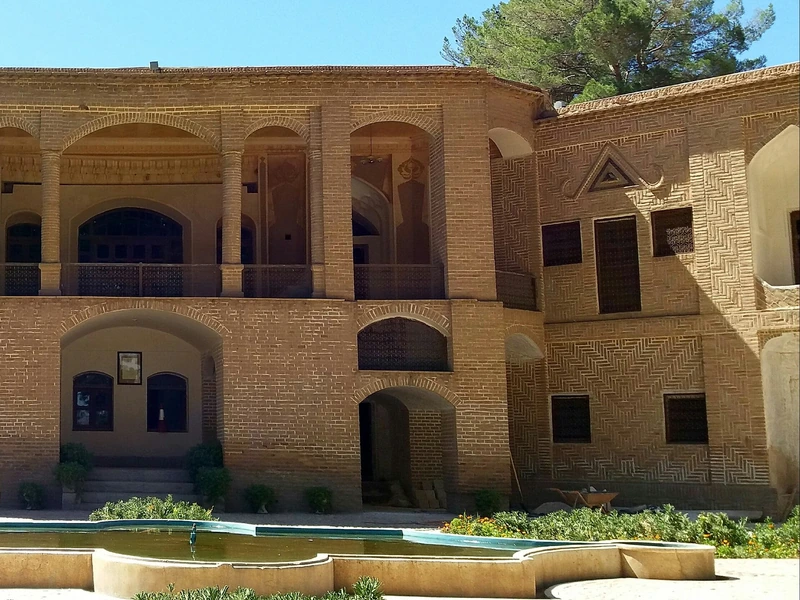
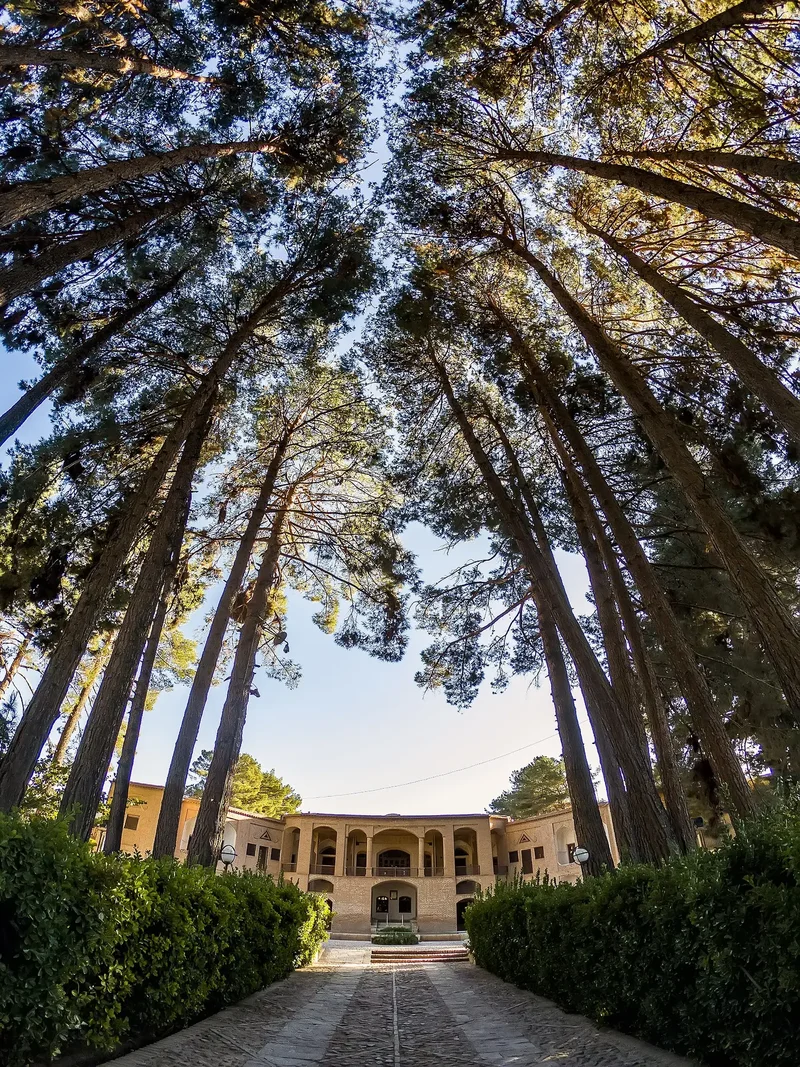
Akbarieh in Birjand combines a garden and historic residence; its late Zand and early Qajar origins belong within UNESCO’s Persian Garden property.

Eastern Iran · uplands and desert margins
Desert gardens and canyon trails
South Khorasan’s capital, Birjand, contains Akbarieh Garden, one of the nine components of UNESCO’s Persian Garden property. Around Tabas, Golshan Garden and eroded desert valleys are among the province’s natural and built heritage sites.
Village heritage includes Khorashad’s handwoven textiles, Makhunik’s small houses with partly sunken floors and Esfahak’s restored earthen buildings. Qaen is associated with saffron cultivation and has a historic congregational mosque.
06
01Akbarieh in Birjand combines a garden and historic residence; its late Zand and early Qajar origins belong within UNESCO’s Persian Garden property.
 02
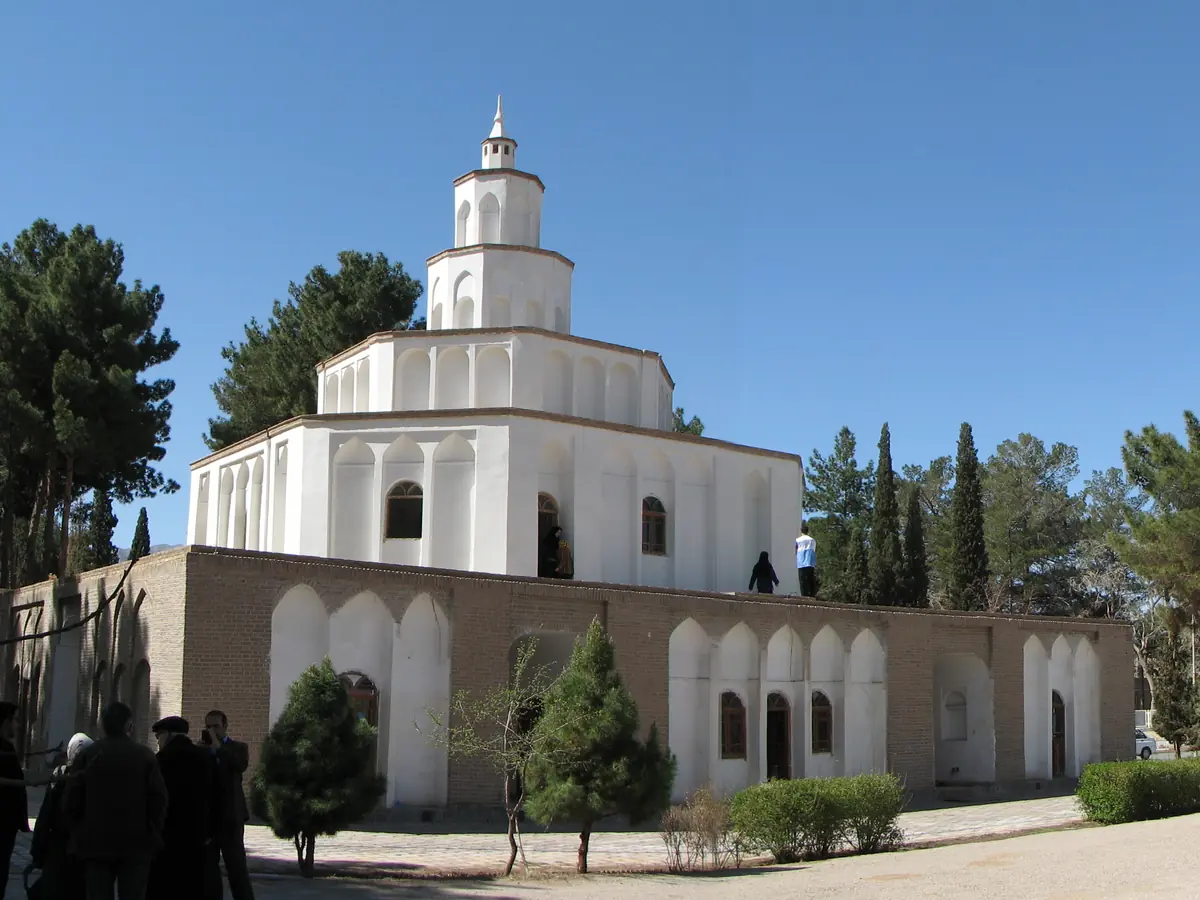
Kolah Farangi’s hexagonal body rises through stepped levels to a white conical crown; most upper levels complete the exterior rather than provide usable rooms.
North of Ferdows, mineral water supplies pools and private baths beside the Bajestan road, in an area near an inactive volcano.
 04
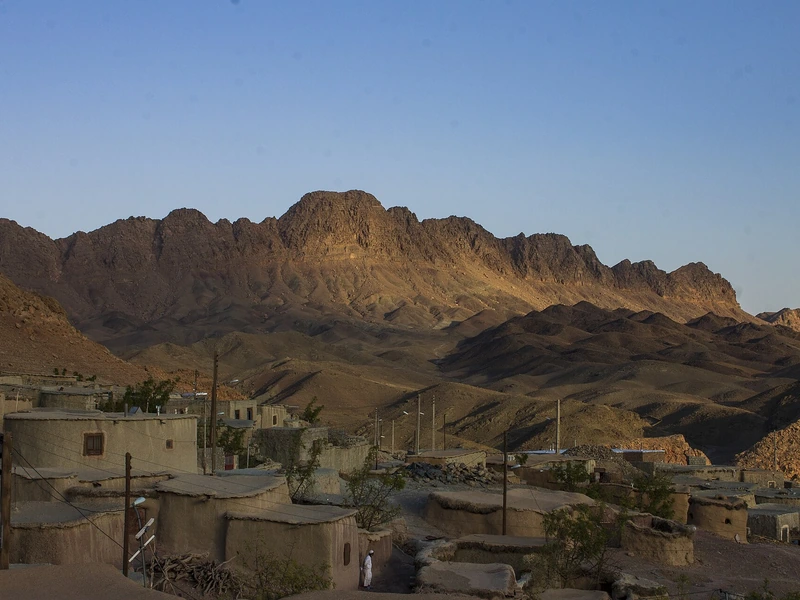
Makhunik’s old houses cluster on hillsides near Sarbisheh, with low doorways and floors below ground level built from locally available stone and earth.
 05
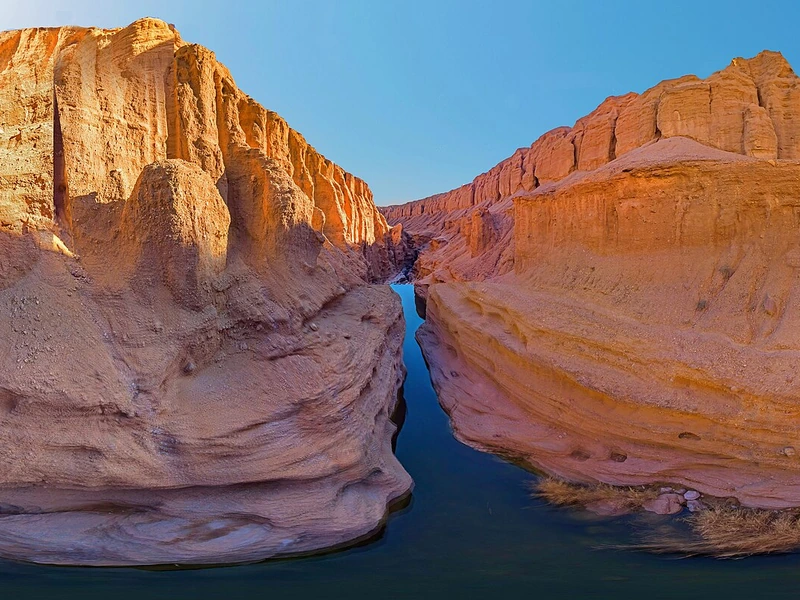
Erosion has shaped Kal Jeni’s winding valley near Tabas; water runs through some stretches, with Ezmeyghan village situated nearby.
 06
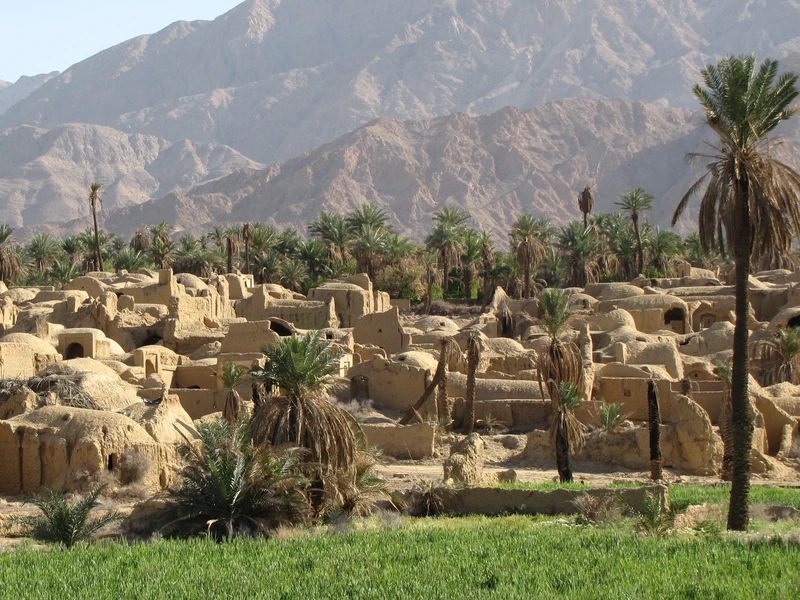
Esfahak’s earthen houses were restored after the 1978 earthquake; UN Tourism selected the village for its Best Tourism Villages programme in 2024.
Khorashad’s tow-bafi preserves a tradition of handwoven cloth. Kilim and jajim patterns, alongside Yalda foods such as the sweet kaf, give South Khorasan’s cultural life a recognisable local character.
Birjand Citadel, Qaen’s congregational mosque and the historic villages around Tabas complement a journey through the province’s gardens, towns and desert settlements.