 01
Shahzadeh Garden
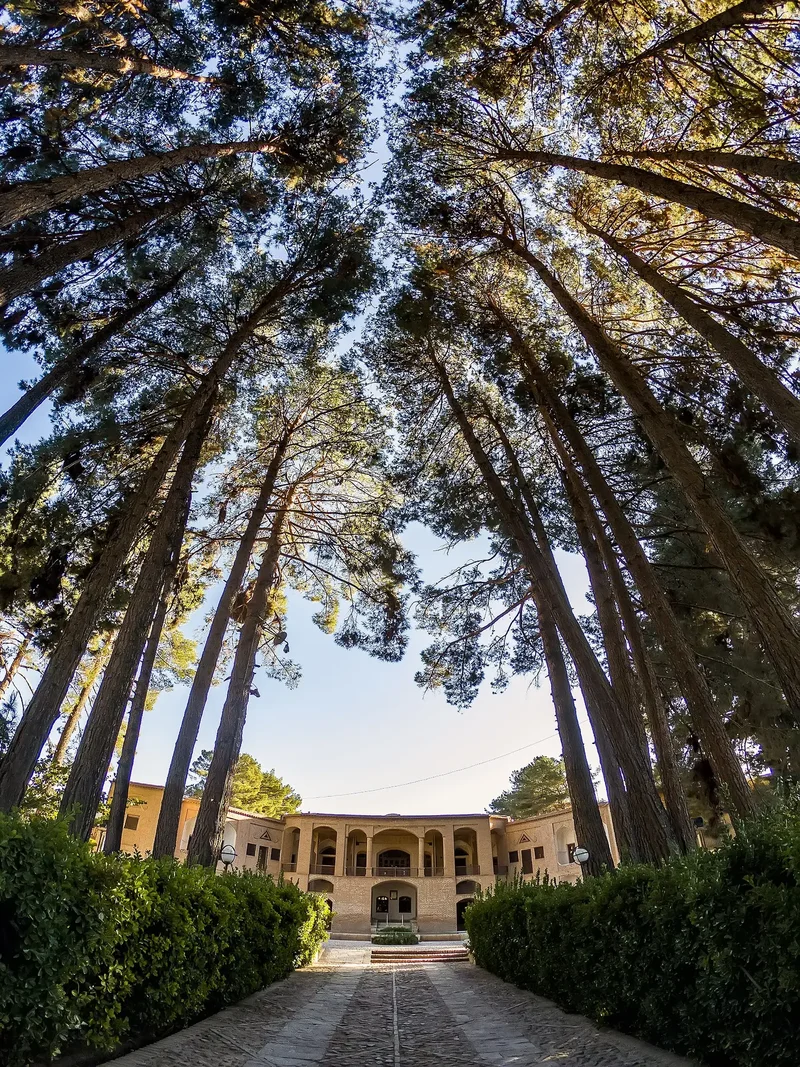
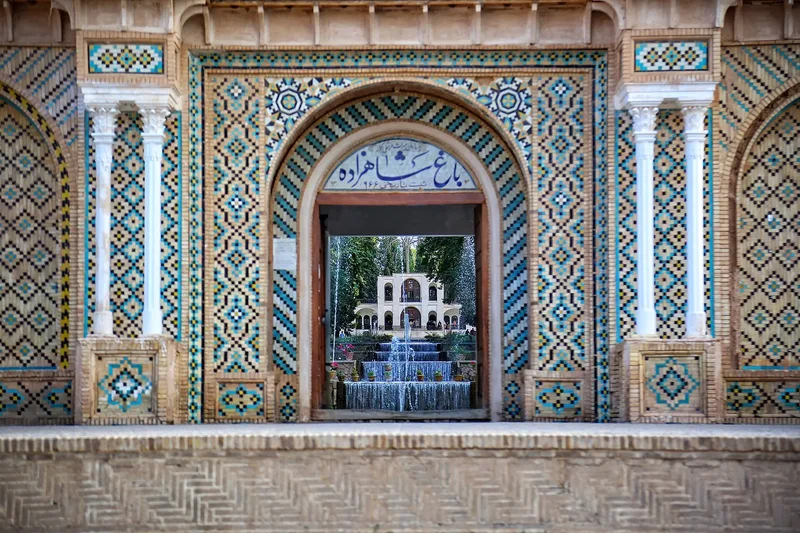
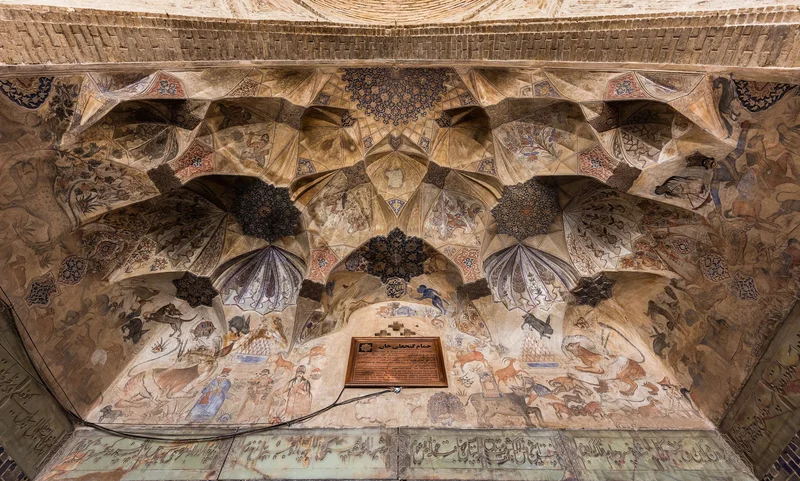
Shahzadeh is a Qajar garden near Mahan, with a pavilion, pools and fountains. It belongs to UNESCO’s serial Persian Garden property.

South-eastern Iran · plateau and Lut margin
Desert citadels and water-fed gardens
Kerman Province includes highlands and parts of the Lut Desert. Shahzadeh Garden in Mahan and the earthen citadel at Bam are UNESCO-listed sites representing garden design and adobe architecture.
Kerman city preserves the Ganjali Khan Complex and its historic bazaar. Provincial crafts include pateh embroidery on woollen cloth, carpet weaving and copperwork; kolompeh pastries and boz qormeh are local foods.
06
01Shahzadeh is a Qajar garden near Mahan, with a pavilion, pools and fountains. It belongs to UNESCO’s serial Persian Garden property.
 02
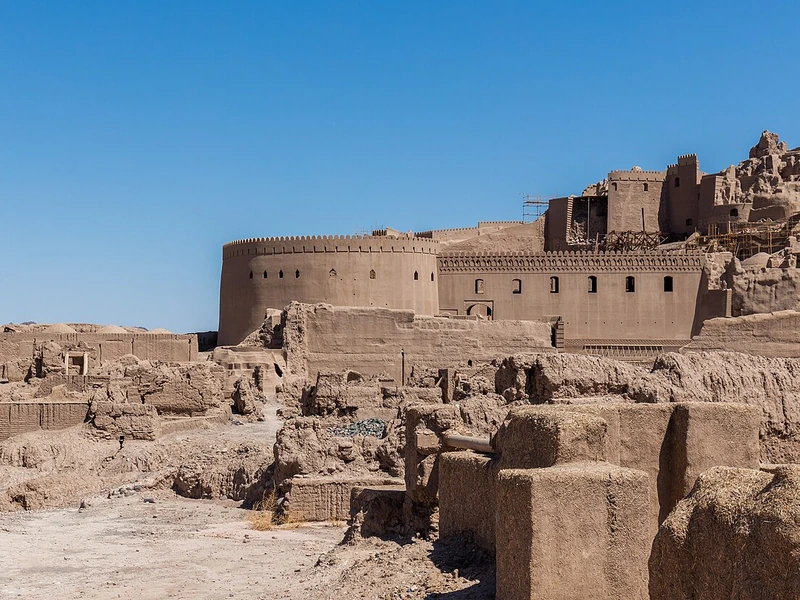
Arg-e Bam contains a fortified town and governor’s quarters. Its earthen buildings belong to an oasis sustained by qanats and historic trade.
 03
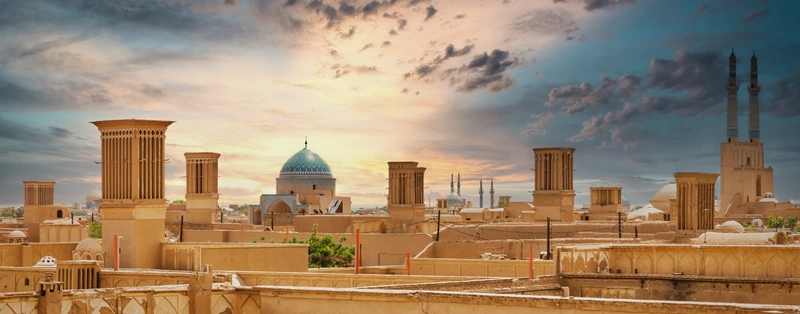
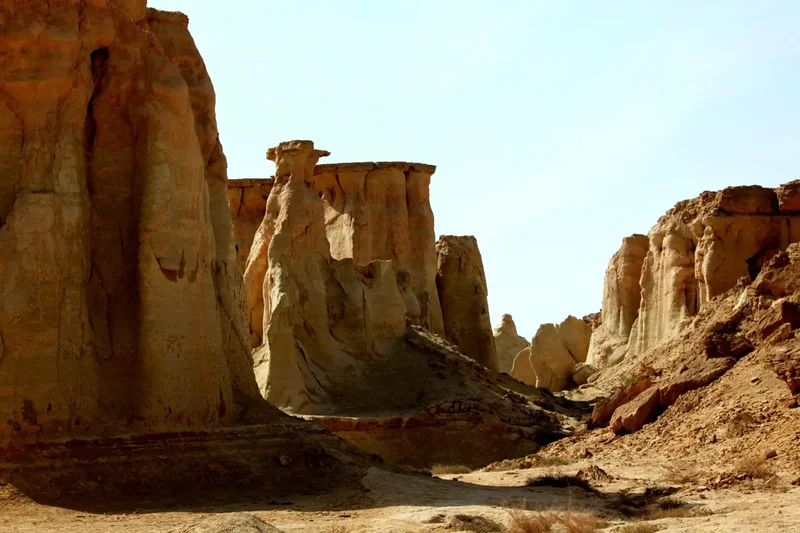
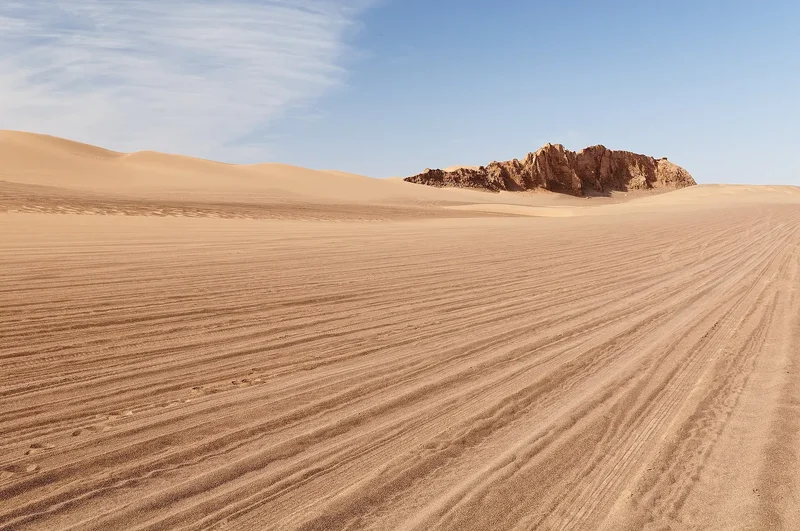
Lut’s kalut ridges, stony plains and dune fields record wind erosion and sediment movement across a desert inscribed by UNESCO in 2016.
 04
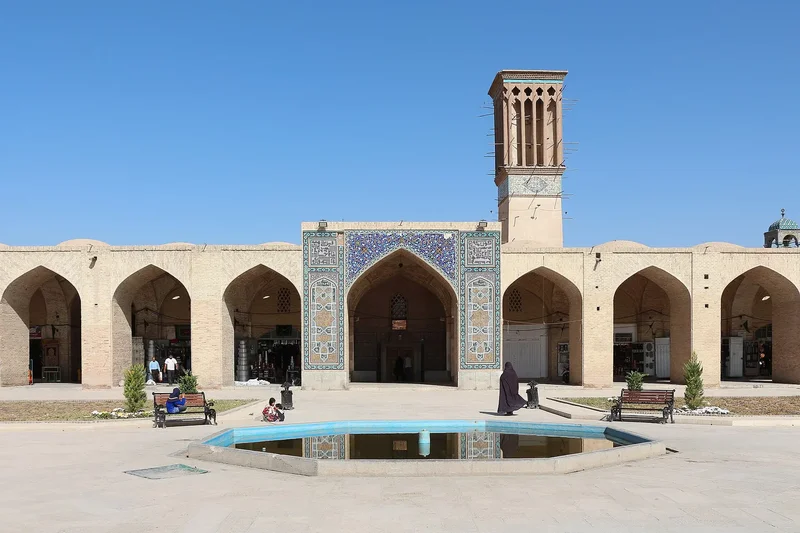
Ganjali Khan’s Safavid complex brings a square, bazaar, bathhouse and mint together in historic Kerman; its bathhouse and mint now house museums.
 05
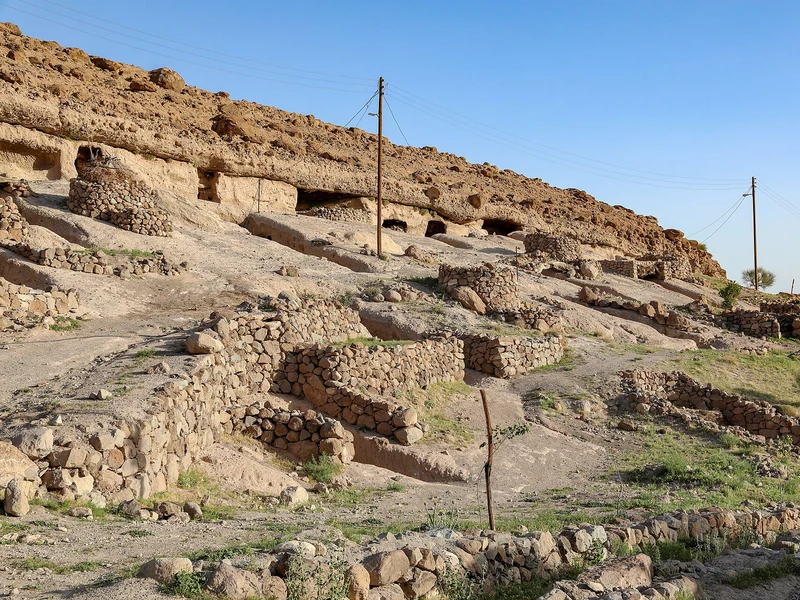
Meymand’s rock-cut winter homes form part of a wider pastoral landscape near Shahr-e Babak, with seasonal settlements used at different times of year.
 06
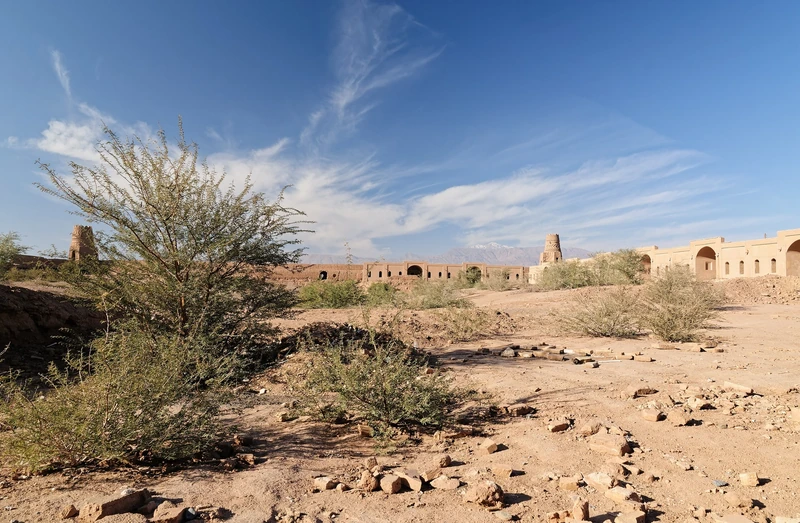
Shafiabad, in Kerman’s Shahdad district, lies near the Lut kaluts. A Qajar fort and an earthen caravanserai are among its historic buildings.
Kerman’s bazaar connects commerce with handwork. Pateh embroidery on woollen cloth, carpet weaving and coppersmiths’ workshops form a recognisable artistic identity, best explored alongside the city’s historic market architecture.
The Ganjali Khan Complex and Rayen Citadel are other notable historic sights; neither is individually inscribed on the World Heritage List.