 01
Avicenna Mausoleum
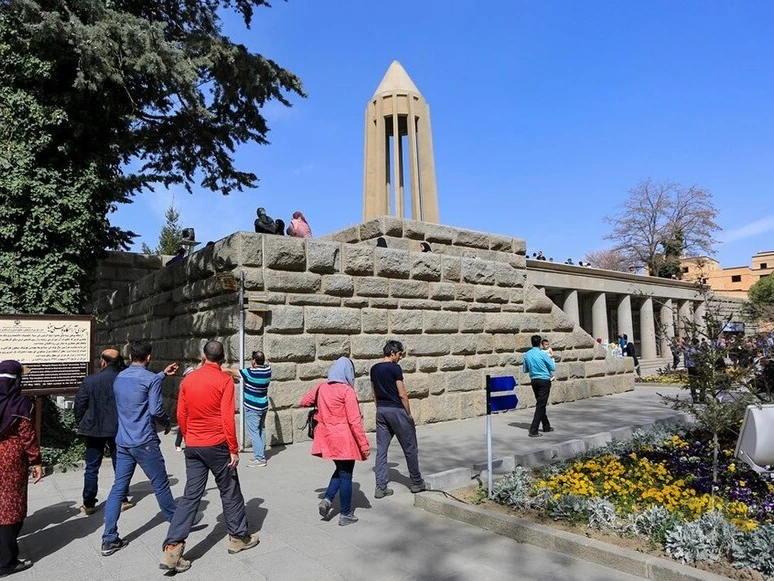
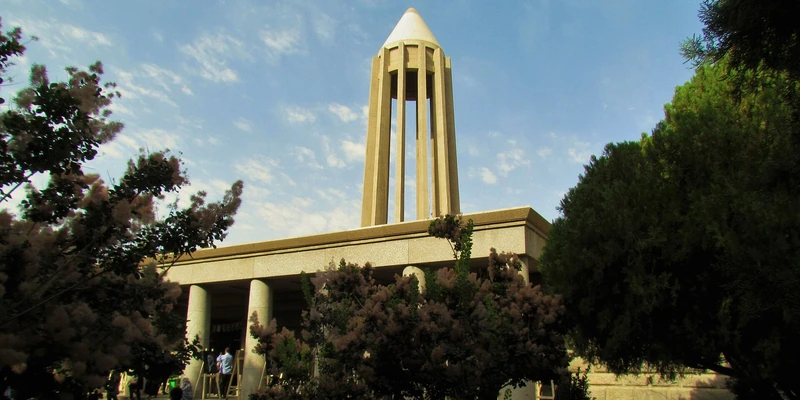
Avicenna’s memorial in Hamadan combines a tower inspired by Gonbad-e Qabus with Alvand granite, garden plots, a library and a museum.

Western Iran · Alvand foothills
An ancient capital beneath Mount Alvand
Hamadan stands at the foot of Alvand. Hegmataneh, ancient Ecbatana, preserves evidence of several historical periods and entered the World Heritage List in 2024. Ganjnameh’s inscriptions and the memorials to Avicenna and Baba Taher are other sites in and around the city.
The province also contains Ali Sadr water cave and Lalejin’s pottery workshops. Malayer has woodcarving and fruit production, while Tuyserkan is known for walnuts.
05
01Avicenna’s memorial in Hamadan combines a tower inspired by Gonbad-e Qabus with Alvand granite, garden plots, a library and a museum.
 02
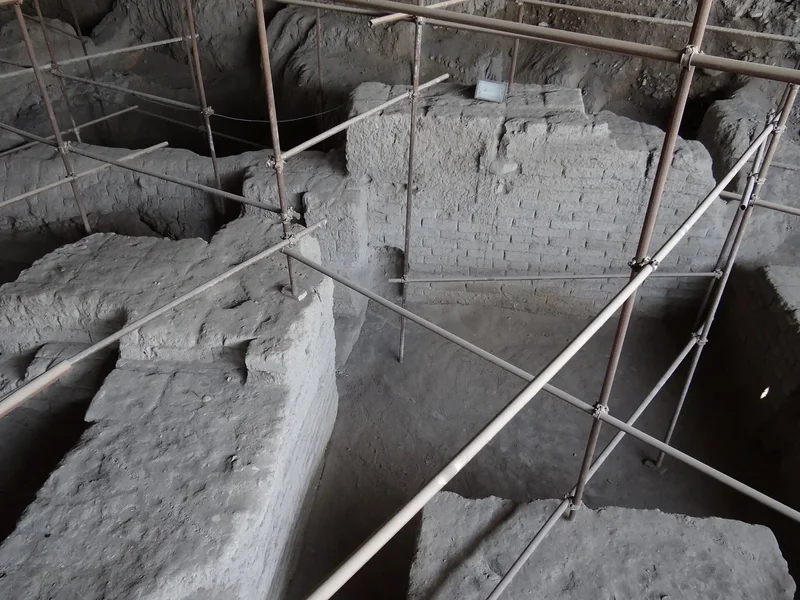
Hegmataneh preserves successive phases of an ancient government centre, including Parthian urban remains; the archaeological property entered UNESCO’s World Heritage List in 2024.
 03
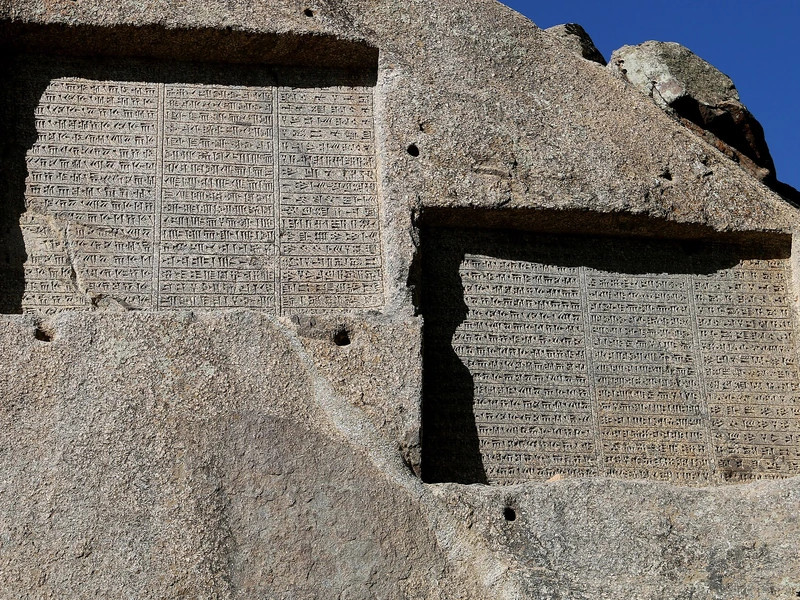
Darius and Xerxes left trilingual rock inscriptions at Ganjnameh, beside a twelve-metre waterfall on the slopes of Mount Alvand near Hamadan.
 04
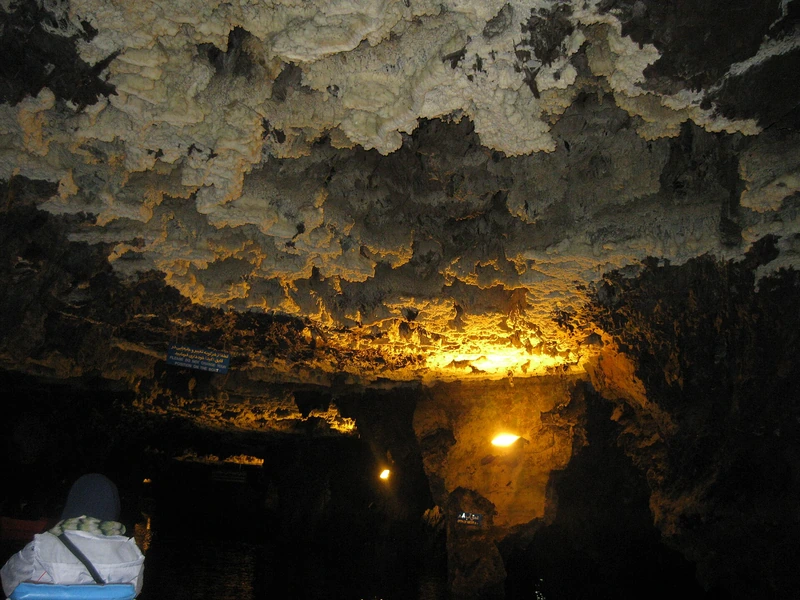
Boat routes and dry passages cross Ali Sadr Cave in Hamadan province, where water-filled corridors connect with chambers containing limestone formations.
 05
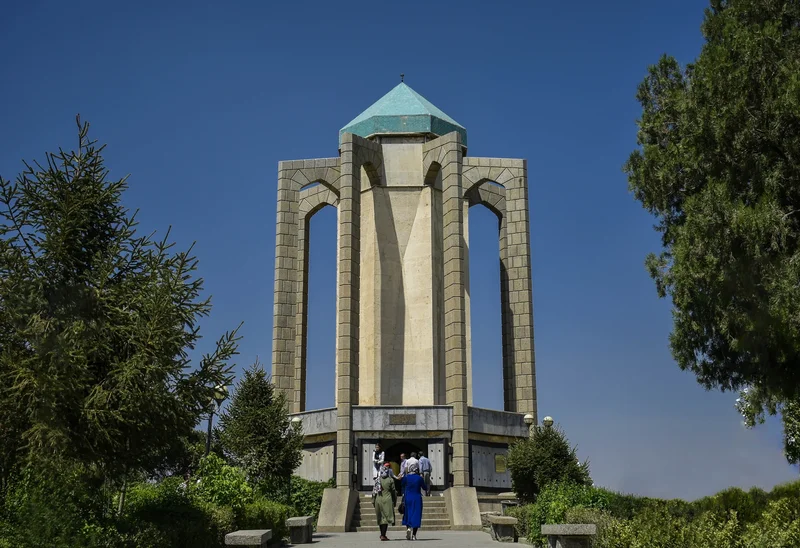
Baba Taher’s hilltop memorial in Hamadan combines an octagonal base, eight granite columns and marble panels inscribed with the poet’s quatrains.
Lalejin pottery and Malayer woodcarving offer two clear routes into the province’s arts. Kilim weaving and leatherwork also connect urban workshops with skills passed through local communities.
Other historic sights include Ganjnameh and the tombs of Avicenna and Baba Taher.